Dry Patches on Skin
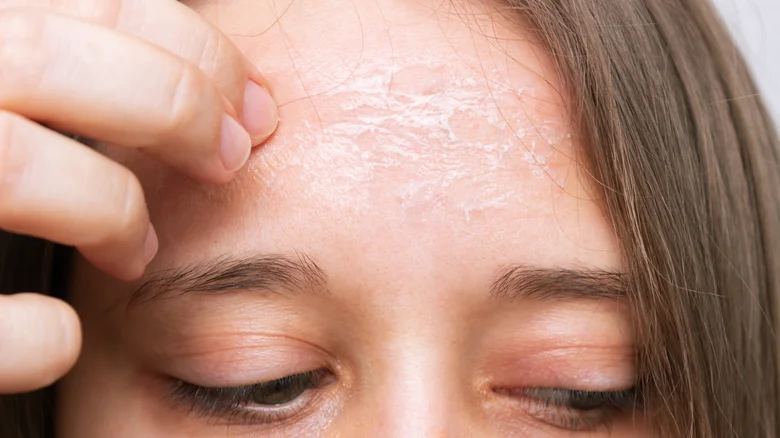
Dry skin patches are common and can occur for various reasons.
They may result from environmental factors like cold or dry air, especially during seasonal transitions.
Certain skincare products containing alcohol or fragrances can also contribute to dryness.
Additionally, underlying skin conditions such as eczema, psoriasis, or other forms of dermatitis can cause persistent dry patches.

To manage and alleviate dry skin patches, consider the following practices:
- Moisturize regularly: Apply a thick, fragrance-free cream or ointment to damp skin after bathing to lock in moisture.
- Limit exposure to water: Take short, lukewarm showers or baths, and gently pat your skin dry afterward.
- Use gentle skincare products: Opt for mild, fragrance-free cleansers and avoid harsh soaps that can strip natural oils from your skin.
- Maintain indoor humidity: Using a humidifier can help keep the air moist, preventing your skin from drying out.
- Protect your skin: Wear gloves when handling cleaning products or when exposed to cold weather to shield your skin from irritants and moisture loss
If dry patches persist despite these measures, or if you notice signs of infection, it’s advisable to consult a healthcare professional for further evaluation and treatment.
Table of Contents
Small Dry Patches on Skin
Small dry patches on the skin are quite common.
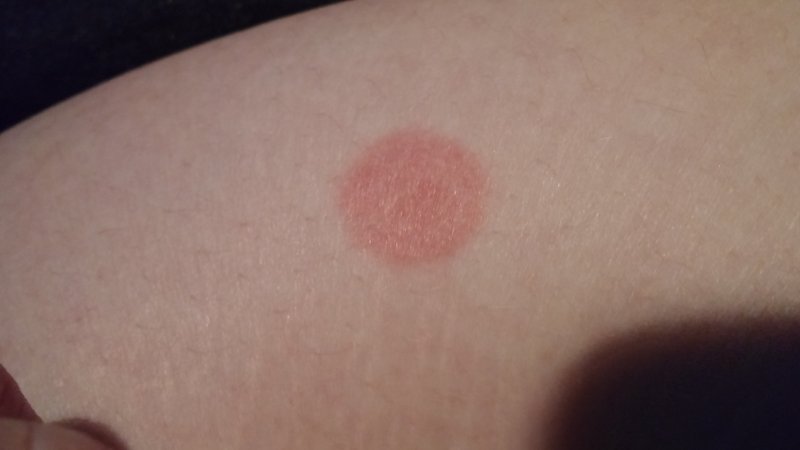
Instead of large areas of rough skin, these appear as tiny spots or small circular patches that may feel rough, flaky, or slightly raised.
They can show up anywhere on the body, including the arms, legs, chest, or face. Sometimes they itch, but other times they simply feel dry or look slightly lighter or darker than the surrounding skin.
What Small Dry Skin Spots Usually Look Like
Small dry patches can vary a lot in appearance. Common signs include:
- Tiny rough spots that feel like sandpaper
- Flaky or scaly skin in a small area
- Circular or oval dry spots
- Slight redness or discoloration
- Mild itching or irritation
- A patch that feels tighter or rougher than the surrounding skin
On darker skin tones, dry patches may appear ashy, grayish, or lighter than the surrounding skin, while on lighter skin they may appear pink or red.
Common Causes of Small Dry Spots on Skin
1. Simple dry skin (xerosis)
The most common cause is basic dryness. Cold weather, dry air, hot showers, harsh soaps, and frequent washing can strip natural oils from the skin, leaving small dry areas behind.
2. Mild eczema
Eczema can begin as small itchy patches or clusters of dry spots. These areas may slowly expand or become more irritated over time.
3. Discoid (nummular) eczema
This condition often starts as small bumps or spots that join together into round dry patches.
The patches can become flaky, cracked, or itchy.
4. Fungal Infections (Such as Ringworm)
Some fungal infections start as small circular patches that gradually enlarge.
These patches may have a clearer center with a slightly raised or scaly edge.
5. Contact Dermatitis
Skin reactions to products such as perfumes, lotions, soaps, or detergents can cause small irritated dry patches where the product touched the skin.
6. Nutritional or Hydration Issues
Occasionally, dry patches can be linked to dehydration or low intake of nutrients like vitamin D or vitamin E.
Places They Often Appear
Small dry patches commonly show up on:
- Arms and elbows
Photo Credits: BabyCenter, EverydayHealth.com, Glam
I hope you don’t mind me sharing this link, but I recently came across an article discussing the management of stubborn skin infections, particularly in tropical environments like Honduras. It made me wonder, how can specific medications like ceftriaxone be effectively incorporated in the treatment of severe skin infections caused by bacteria? You can find more information in the article here: https://dermalogicahonduras.com/managing-stubborn-skin-infections-honduras-diagnosis-recovery. Thank you!
Hi Lisa,
Welcome to Chick About Town! No, I don’t mind you sharing a link here. I hope my readers find it useful.
Biche