When you think about white people braids, classic styles like French braids, Dutch braids, or simple three-strand plaits probably come to mind.
Braiding hair has been a part of human culture for centuries, appearing across Europe, Asia, and Africa.
People braided their hair to keep it neat and to signal age, social status, or marital standing.
Long before these styles appeared on social media feeds, Europeans were already wearing intricate braids for daily life and special occasions.
When people talk about “white people braids” today, they’re usually referring to one of two ideas:
Table of Contents
White People Braids Idea #1: Some Braid Styles Come From Many Cultures.
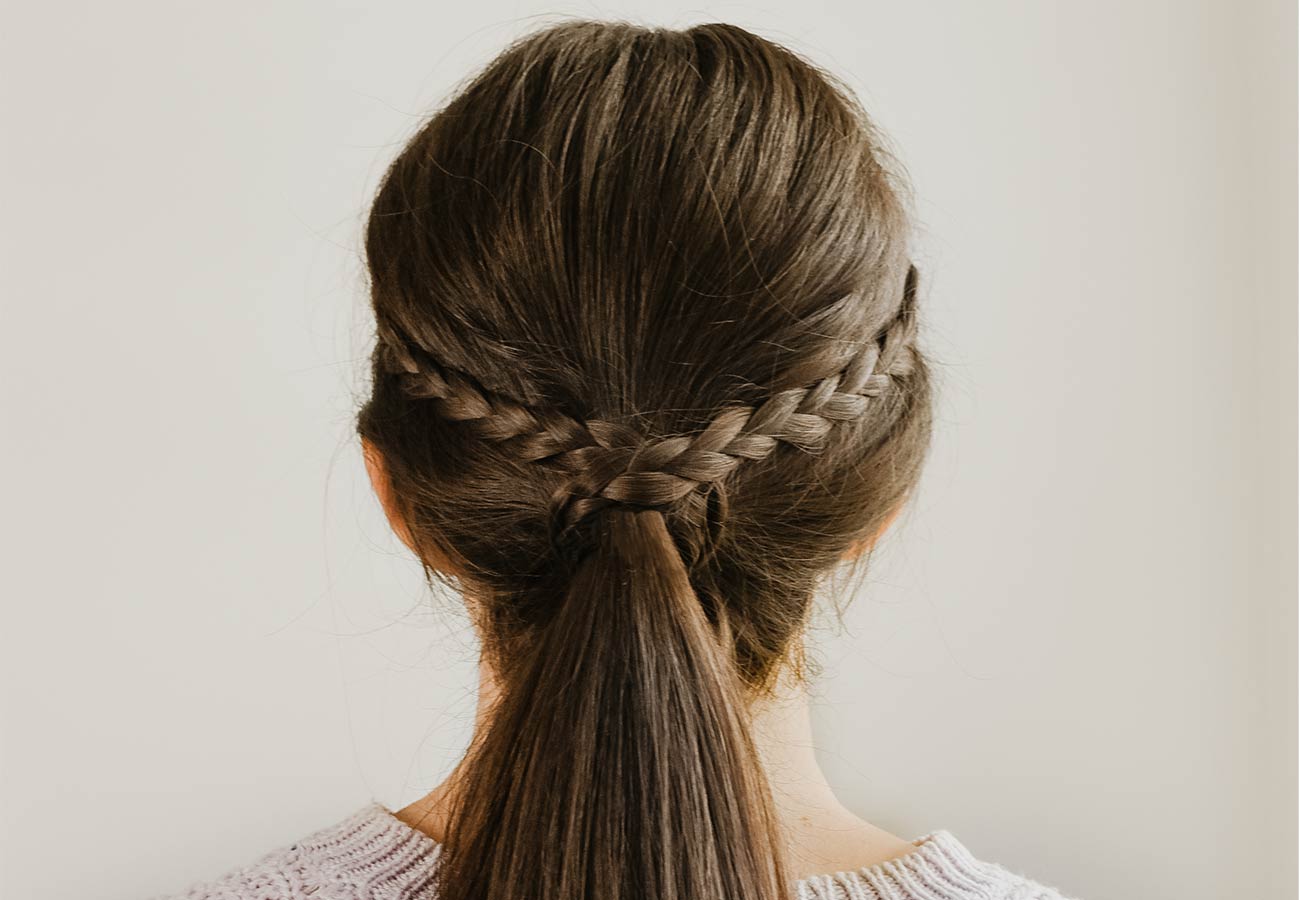
Styles like French braids and Dutch braids originated in Europe and have been worn by white people and others for centuries.
These forms of braids don’t usually raise the same cultural questions because they aren’t tied to a single historically marginalized community.
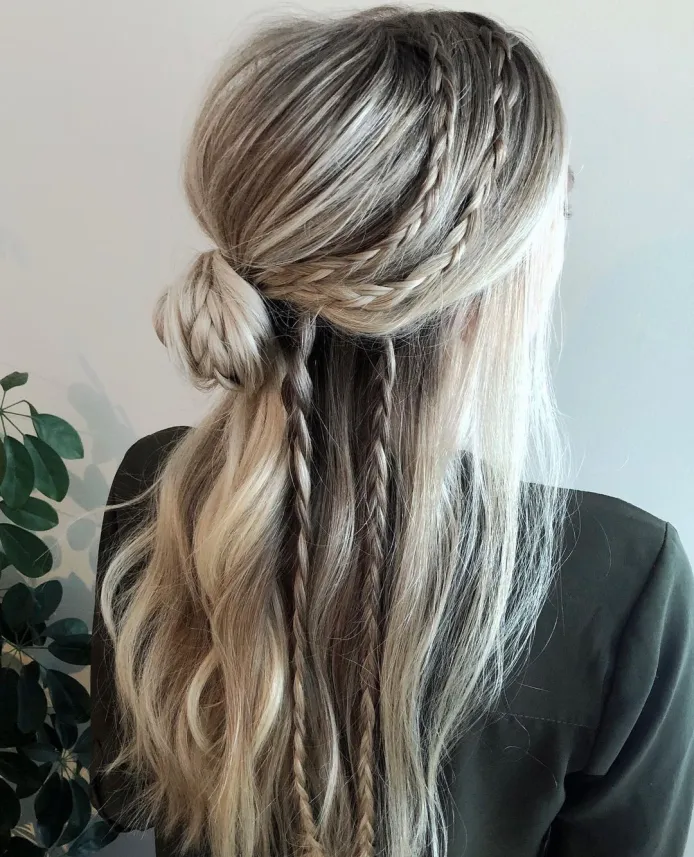
White Braids Hairstyles Idea #2. Other Braid Styles Have Strong Connections to Black and African Cultures.
Styles such as cornrows, box braids, and Fulani braids have deep roots in African and African American history.
In many African societies these braids carried meaning about identity, community, and social roles, and in the African diaspora they became symbols of heritage and resilience.
For centuries in the United States, for example, Black people with natural hair and braided styles often faced prejudice — judged as “unprofessional” or discriminated against — even as those same styles became fashionable in mainstream media when worn by white celebrities. Some people see this as cultural appropriation, which means borrowing elements from another culture without understanding or acknowledging their origin, especially where there’s a history of inequality.
Not everyone feels the same way.
Some people say hairstyles should be open to everyone and that wearing braids can simply be an appreciation of a style.
Others feel that because certain braid styles have such specific cultural histories, it’s important to know that history and acknowledge it if you choose to wear them.
In short, braids themselves aren’t “owned” by any one group — many cultures everywhere have their own braiding traditions.
But particular styles that are strongly tied to specific cultures can carry meaning that some people feel should be respected rather than treated as just a fashion trend.
White Person With Braids
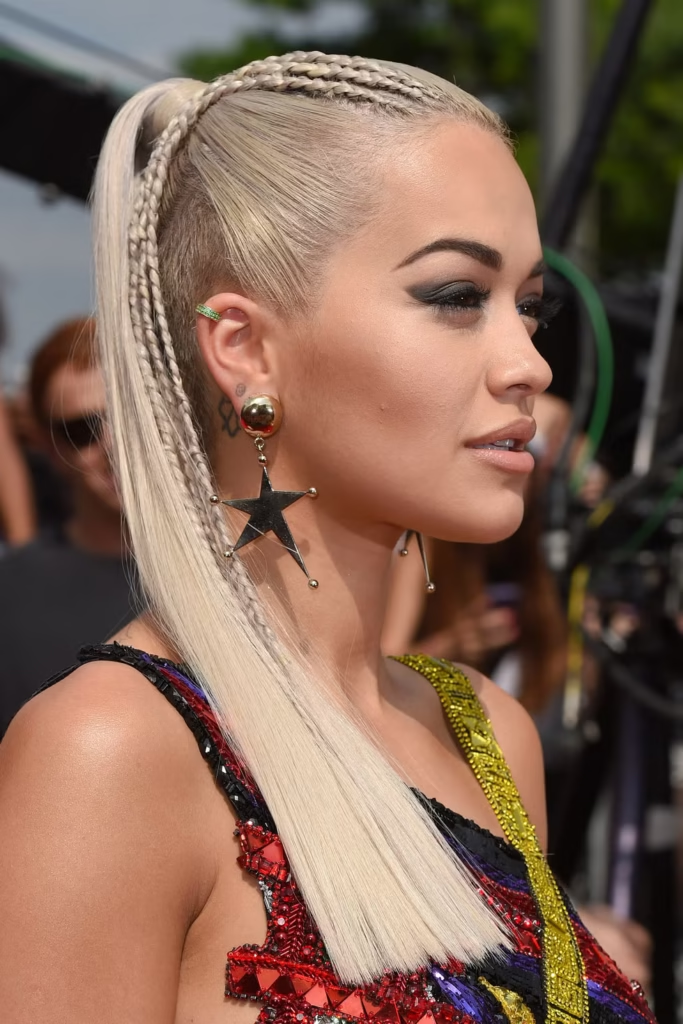
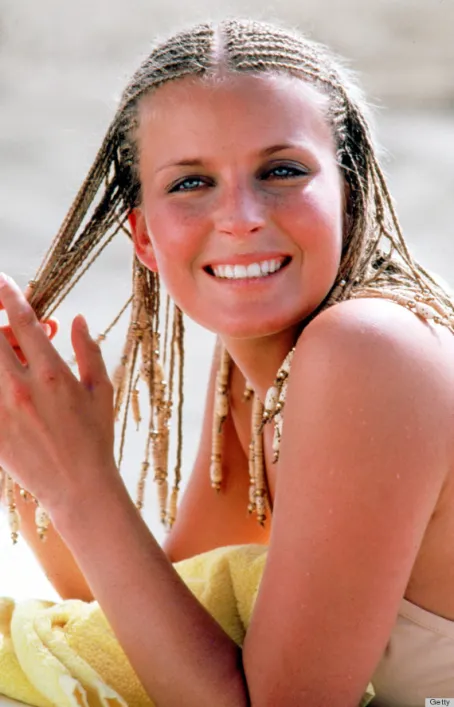

Braids for White People
Braids for white people are a mix of long-standing European traditions and modern global influences.
While braiding is often discussed through a cultural lens today, it helps to separate history from current debates.
Braids Have Existed in Europe for Centuries
Braiding isn’t tied to one race or region.
Archaeological evidence shows braided hairstyles appearing in ancient Europe tens of thousands of years ago, and many early European cultures wore braids in daily life.
Ancient figurines from Europe appear to show braided hair, suggesting braiding has been part of human grooming for a very long time.
In medieval and early modern Europe, braids were common among women with long hair.
Styles like crown braids or halo braids were practical because they kept hair tidy during physical work and could also signal modesty or tradition.
Even in Norse and Celtic societies, both men and women wore braided styles, sometimes decorated with beads or leather, linking braids with identity and social symbolism.
Common Braid Styles Associated With White Hair
When people talk about braids for white people, they usually mean styles rooted in European traditions or adapted for straighter hair textures.
These include:
- French braids
- Dutch braids
- Crown or halo braids
- Fishtail braids
- Simple three-strand plaits
These styles work well with straight or wavy hair because they rely on smooth sections and visible structure rather than tight grip.
The Texture Factor
Hair texture plays a big role in how braids look and last.
Straighter hair tends to be more slippery, which means braids may loosen faster and require styling products or tighter technique. This is one reason why some intricate styles look different depending on hair type.
Where the Conversation Gets Complicated
Modern discussions about braids for white people often focus on cultural meaning rather than the braids themselves.
While braiding exists globally, some styles — especially cornrows, box braids, and Fulani braids — have deep roots in African societies where hairstyles historically communicated identity, age, status, or heritage.
Because of that history, some people see certain braid styles as culturally significant rather than purely aesthetic. Others view braids as a shared human tradition that has always crossed cultural boundaries. The disagreement usually comes down to history, power dynamics, and whether a style is being worn with awareness of its origins.
How People Approach It Today
In everyday life, many white people wear braids in low-key ways — school styles, festival hair, bridal looks, or practical travel styles.
French braids, boxer braids, and braided updos are especially common because they’re widely accepted and historically neutral.
At the same time, there’s growing awareness that not all braids carry the same cultural weight. That awareness has led to more conversations about respecting origins, understanding context, and recognizing that some hairstyles carry deeper meaning depending on where they come from.
The Bottom Line
Braids for white people aren’t new or unusual — Europeans have braided hair for centuries. What’s changed is the cultural conversation around specific braid styles. Today, braids sit at the intersection of history, identity, and personal expression, which is why the topic continues to spark so much discussion.
Photo credits: Getty Images, Prose