Braids have been worn by people across the world for centuries, and white people braids can range from simple three-strand plaits and French braids to elaborate styles inspired by European and Scandinavian traditions.
At the same time, some braided hairstyles have deep cultural connections to African communities, making the history behind different braid styles worth exploring.
Whether you are looking for hairstyle ideas, curious about the history of braiding, or wondering which braided styles are traditionally associated with European cultures, there is plenty to discover about white people and braids.
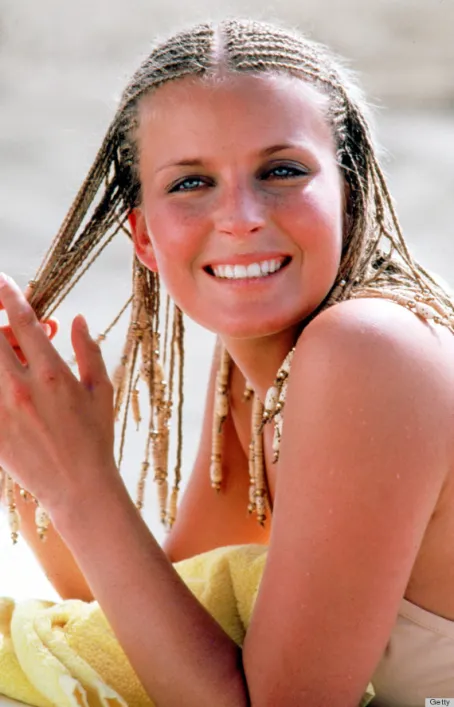
Table of Contents
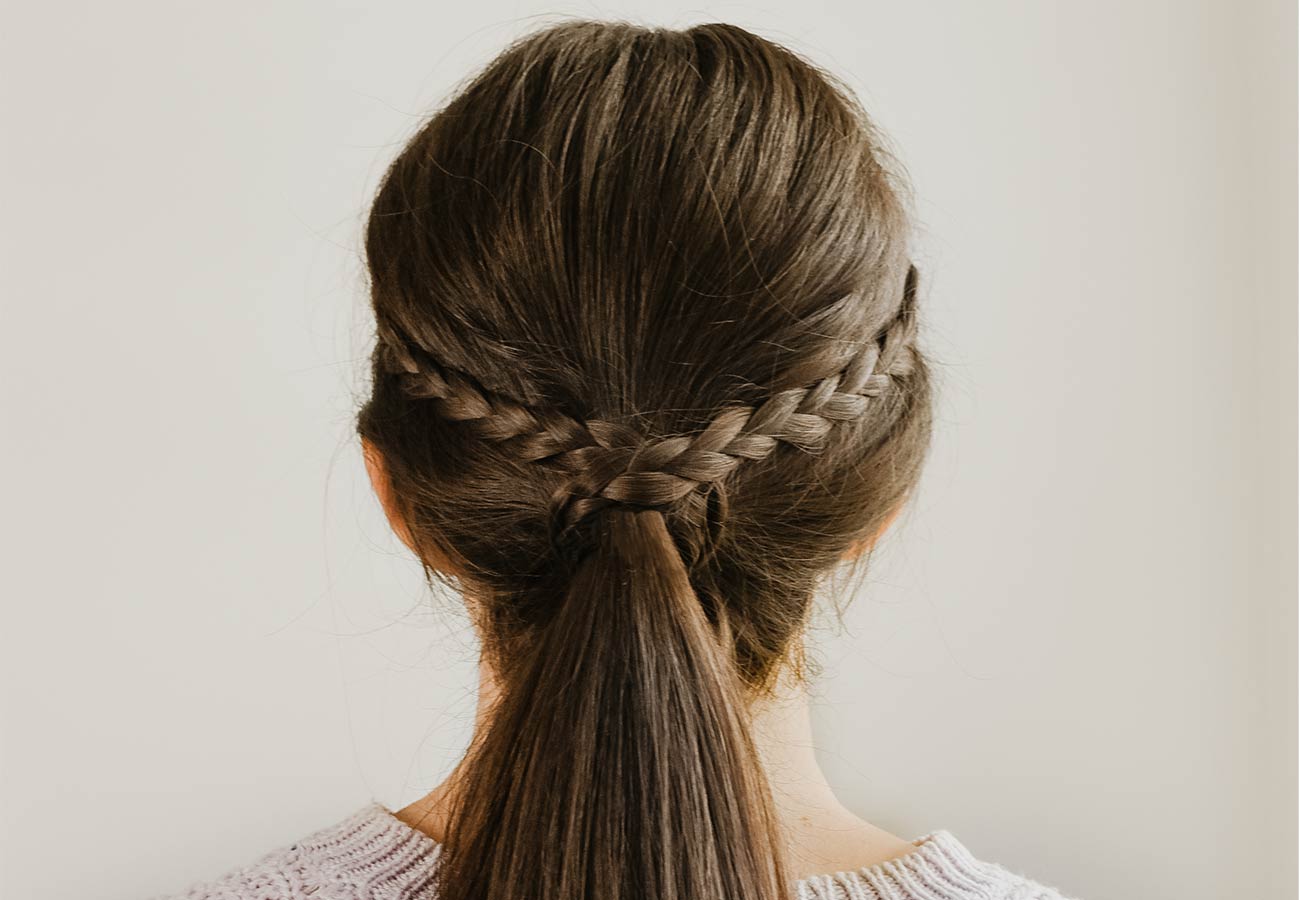
White People Braids Styles/White People Briads: Traditional Braids (Such as the French Braid Whilte People)
People of European ancestry have a long history of wearing braids.
Archaeological evidence shows braided hairstyles in ancient Europe, while braiding was also practiced among ancient Egyptians, Greeks and Romans.
Later European populations, including Celtic, Germanic, Slavic and Scandinavian peoples, also used various forms of braiding.
The popular image of Viking braids, however, deserves a little caution. Modern television has strongly influenced what people imagine Viking hairstyles looked like.
There is evidence that Scandinavian people wore braided hair, particularly women, but the elaborate, tightly constructed “Viking” hairstyles commonly seen in modern entertainment are not necessarily historically accurate representations.
For a white person today, styles such as these can therefore have a straightforward European or general hairstyling context:
- French braids
- Dutch braids
- Three-strand plaits
- Crown braids
- Milkmaid braids
- Fishtail braids
- Waterfall braids
- Two side braids
- Braided ponytails
- Loosely braided long hair
- Some Scandinavian-inspired braids
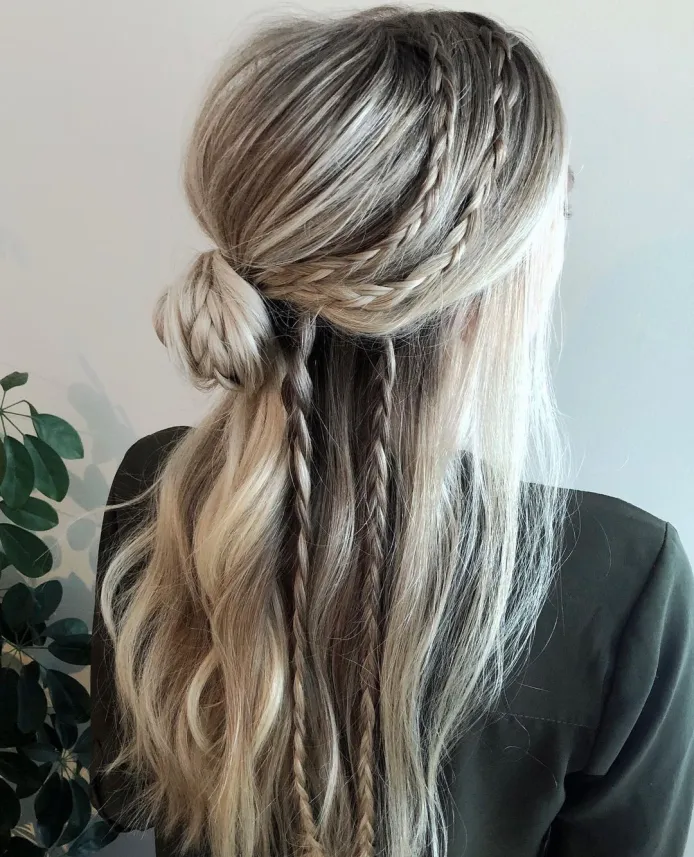
White People Braids/White Braids: Cornrows and Box Braids
This is where the conversation becomes more complicated.
Cornrows, box braids, twists and many other highly recognizable braided styles have deep African histories. Cornrows, for example, have been documented in African contexts for thousands of years, including ancient depictions associated with regions of the Sahara and Horn of Africa. African hairstyles have historically communicated things such as age, kinship, social position, marital status and community identity.
That history is different from simply saying that “Black people invented braids.”
Braiding itself is much older and geographically broader than that.
The distinction matters because a French braid and a traditional African cornrow are not interchangeable simply because both involve crossing strands of hair.
Box braids are another example.
Modern box braids are strongly associated with African and African-diaspora hair culture, although braided hairstyles have existed in many ancient societies.
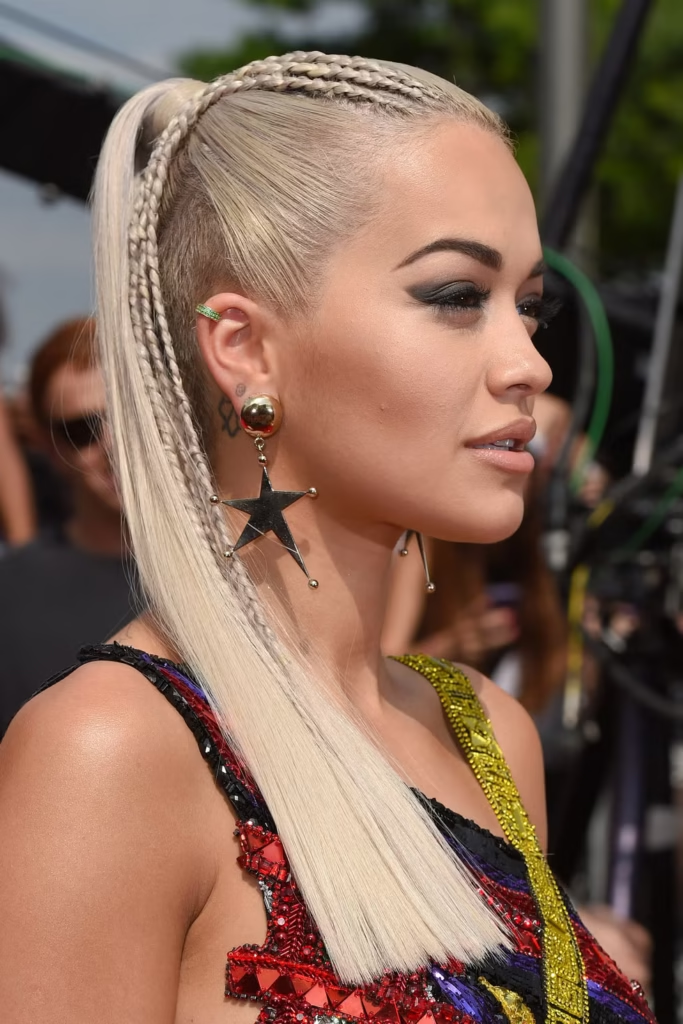
White People With Braids: Can White People Wear Braids?
It depends heavily on which type of braid is being discussed.
A white person wearing a French braid, Dutch braid or ordinary three-strand plait is generally participating in a hairstyle with a long history that crosses numerous cultures.
A white person wearing cornrows or a hairstyle strongly associated with a particular African community raises a different cultural question.
Some people regard this as cultural appropriation, particularly when a hairstyle that has historically been stigmatized on Black people is treated as fashionable when worn by someone who does not face the same consequences. Others distinguish between appreciation and appropriation based on factors such as context, whether the style is being presented as something newly invented, and whether the wearer acknowledges its cultural history.
There is also an important historical dimension in the United States. Black hair and hairstyles have faced discrimination, including workplace and school restrictions, which is part of why discussions about non-Black people adopting particular Black hairstyles can carry more weight than a simple question of whether someone is “allowed” to braid their hair.

Photo credits: Getty Images, Prose