The latest mwongezo hair style in 2026 is all about bold creativity and refined technique.
Stylists are transforming traditional feed‑in cornrows into intricate patterns and artistic designs, creating braids that make a statement while staying versatile enough for everyday wear or special occasions.
One of the big developments is sharper and more artistic parting patterns.
Stylists are using zigzag, curved, and closely spaced lines before they start braiding, so the scalp becomes part of the overall design.
This creates more visual interest and makes the style feel intentional rather than purely functional.
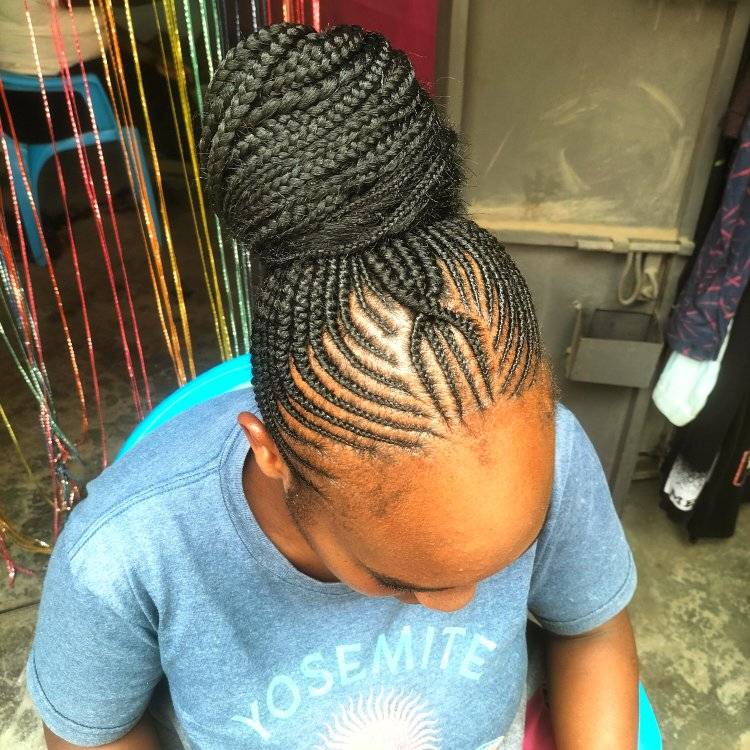
The feed‑in technique itself has also been refined. Instead of starting with thicker sections near the scalp, the braids now often begin ultra fine and grow gradually in thickness.
This gives hairstyles a sleeker finish that feels lighter and more comfortable, especially when worn for several weeks.
Length and shape variations are also trending.
Some people are choosing shorter, shoulder‑length braids for a more manageable, day‑to‑day look, while others are embracing long, dramatic braids that can be styled into ponytails, buns, or left cascading.
Integrating loose curly or wavy ends adds softness and contrast to the structured cornrows.
Another modern twist is the use of colour accents and minimal accessories.
Subtle highlights like caramel or light brown woven into select braids can add dimension without overpowering the style, and simple metallic cuffs or beads help accentuate specific lines within the design.
Overall, the latest Mwongezo styles balance clean, polished lines with creative styling choices, offering looks that feel contemporary, intentional, and adaptable to different settings.
Table of Contents
When it comes to unique mwongezo hairstyles, the creativity lies in the patterns, partings, lengths, and how the feed-in technique is used to make each style stand out.
These variations take the traditional feed-in cornrow foundation and elevate it with distinctive details that draw attention.
Unique Mwongezo Hairstyles Often Involve Creative Parting Designs
Stylists are moving beyond straight-back rows and using imaginative parting patterns — think curved lines, zig-zags, or even shapes like hearts carved into the scalp before braiding.
These intentional partings turn the hairline into a statement feature and make the overall style more striking.
The Latest Mwongezo Hair Styles May Also Be Layered and Multi-Dimensional Styles

Instead of one flat layer of braids, layered Mwongezo styles use multiple tiers of cornrows — either closer to the scalp or transitioning into longer braids.
This adds depth and dimension, giving the look a fuller, more sculpted feel.
Mwongezo Styles for Ladies 2026: A Combination of Braids and Loose Texture
Some unique looks blend tight feed-ins at the roots with looser textures at the ends.
For example, sleek cornrows can give way to curly or wavy ends, adding contrast and softness to a bold pattern.
Shape-Inspired Braids
Patterns like heart shapes or other symbolic motifs are used at the crown or sides, turning braids into art.
These designs work well for special occasions or when you want a standout, creative look.
The Latest Mwongezo Styles in Kenya May Feature Statement Accessories and Color Accents
While classic black is still popular, adding subtle colored extensions, beads, or gold cuffs can make a Mwongezo style feel fresh and personalised.
Mwongezo Hairstyles Pictures
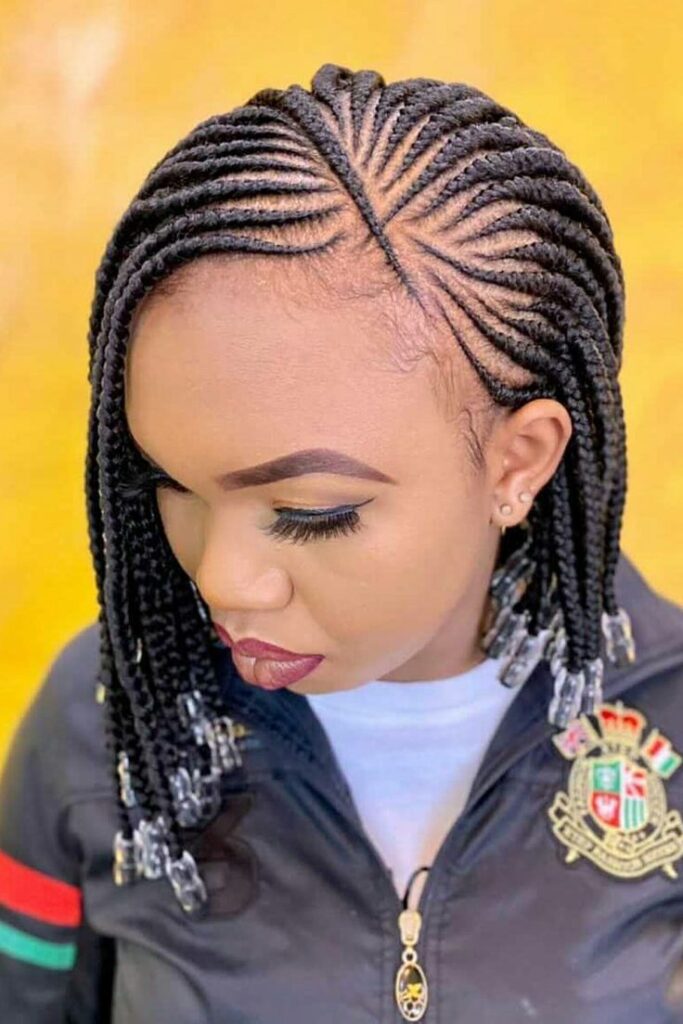

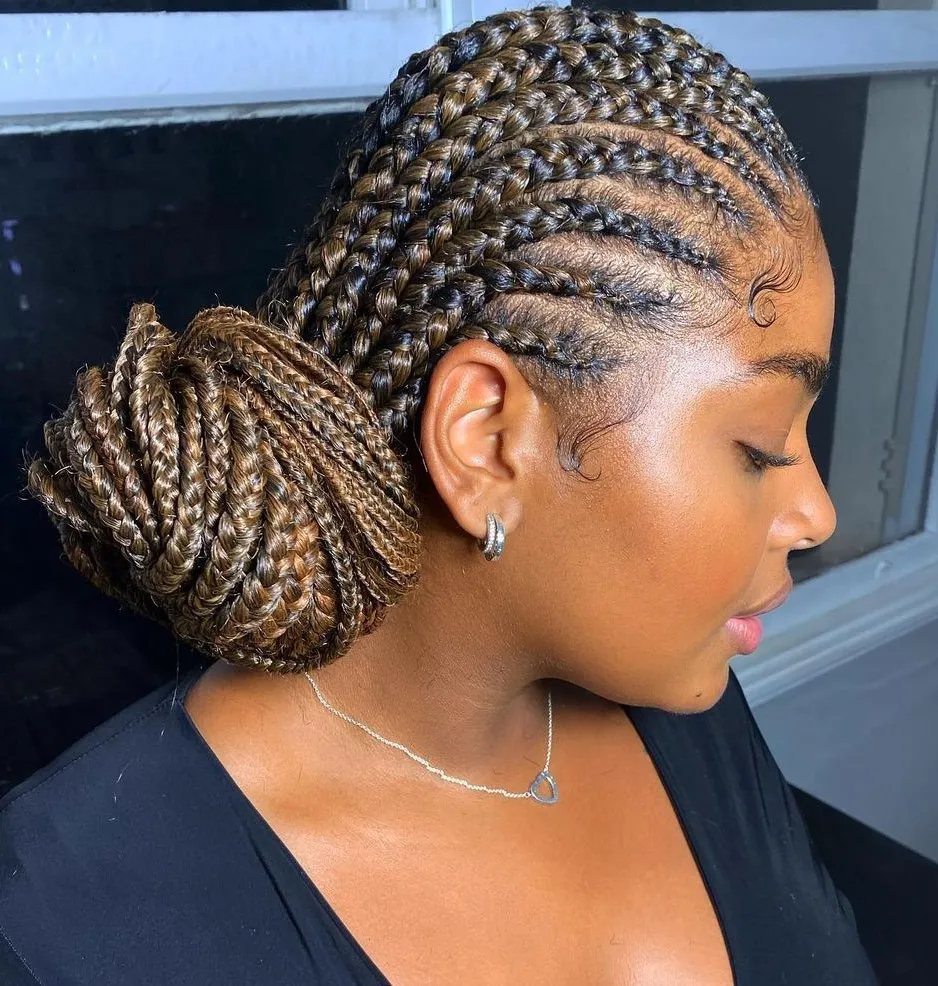
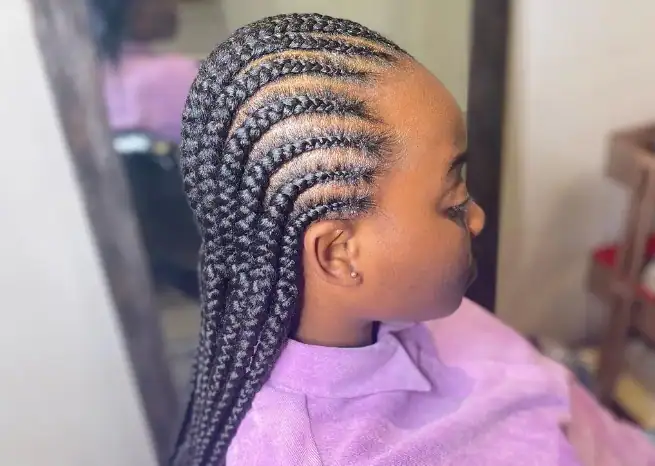
Photo credits: Hair by Be, Black Women Hairstyle, Beauty Zone, SandrasBraids, Queens Royale Salon & Beauty Accessories-Nakuru, Kurls & Kuts Beauty Salon, Black Storm, Stinee Munyi, Curly Craze