Learning how to get long twisted dreads starts with choosing the right loc technique and understanding how to care for your hair as it grows.
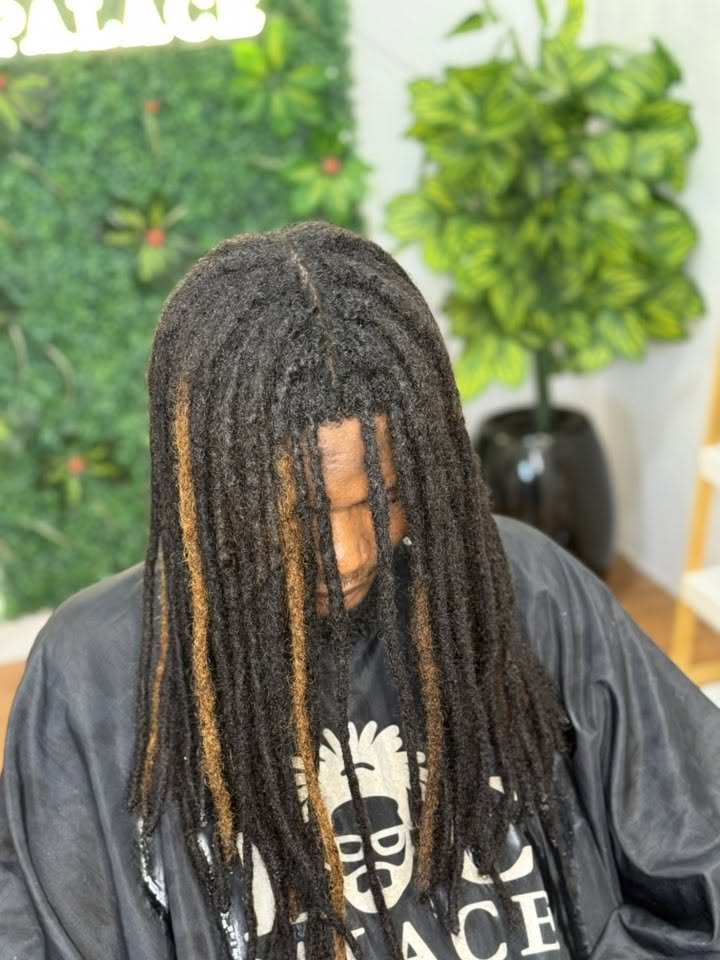
Whether you prefer thick, chunky dreadlocks or neatly defined, rope-like twists, two-strand starter locs offer a great starting point for achieving the look. The good news is that natural Afro-textured hair, including 4A, 4B and 4C hair, can develop beautiful, lengthy locs with proper care. However, growing long twisted dreads takes patience. From selecting the right twist size to maintaining healthy roots and preventing breakage, the choices you make along the way can influence how long and healthy your locs eventually become.
READ ALSO: 4 Strand Dread Twist & More
Table of Contents
How to Get Long Twisted Dreads Step #1. Start with two-strand twists dreads
Two-strand twists are among the most popular ways to start twisted dreadlocks.
The technique involves dividing the hair into sections and twisting two smaller strands around each other.
Each finished twist eventually develops into an individual loc.
The advantages include:
- You can start with your own natural hair.
- You can choose the thickness of your locs.
- The initial hairstyle looks neat and attractive.
- The original twist pattern can remain visible as the locs mature.
- You can create medium-sized, thick or relatively thin dreadlocks.
For a fuller appearance, medium or thick sections are worth considering.
2. Grow Your Hair Before Starting
Hair length is an important consideration when you want long twisted dreads.
Although you can start locs with relatively short hair, having more length gives your stylist more hair to work with.
As a general guide:
| Hair length | What to expect |
|---|---|
| 2–3 inches | Some starter methods are possible |
| 4–5 inches | Suitable for many two-strand twist installations |
| 6–8 inches | More styling flexibility |
| 10–12 inches | A good starting point for longer-looking twists |
| 14 inches or more | More length to work with from the beginning |
If your hair is currently short, concentrate on retaining length rather than repeatedly changing hairstyles.
3. Choose the right size of twisted dreads
The size of your starter twists influences the eventual appearance of your dreadlocks.
Small twisted dreads
These create a relatively narrow loc pattern. They can give you a fuller-looking head of locs because you have more individual dreadlocks.
Medium twisted dreads
These offer a balance between thickness and the number of individual locs. They are a popular choice for people who want clearly defined rope-like dreadlocks.
Thick twisted dreads
These create chunky, substantial locs. They can produce a bold appearance, although fewer individual locs will fit across your head.
Think about your desired finished hairstyle before deciding on the parting pattern.
4. Maintain your twisted dreads properly (Including Regular Dreads Read Twist)
Good maintenance helps you retain the hair you grow.
Your locs can become long, but poor maintenance can cause thinning, breakage and unnecessary hair loss.
Here are the most important habits.
Wash Your Hair Regularly
Do not assume that dreadlocks should never be washed. Clean your scalp and locs regularly. A starting routine of washing every two to four weeks can work, although your scalp, lifestyle and hair needs should determine the frequency.
Make sure your locs dry thoroughly after washing.
Leaving them damp for extended periods can encourage unpleasant odours and microbial growth.
Moisturise Your Hair
Water-based moisturising products and light oils can help keep your hair and scalp comfortable.
Avoid applying excessive amounts of heavy creams, waxes and butters because they can accumulate inside locs.
Protect Your Hair While Sleeping
A satin or silk bonnet, scarf or pillowcase can reduce friction while you sleep.
This helps minimise unnecessary breakage and friction along the length of your locs.
Twist to Dreads
If you are interested in starting dreads with twists, then click here.
Photo Credits: Locpalace