Dry Skin Patches
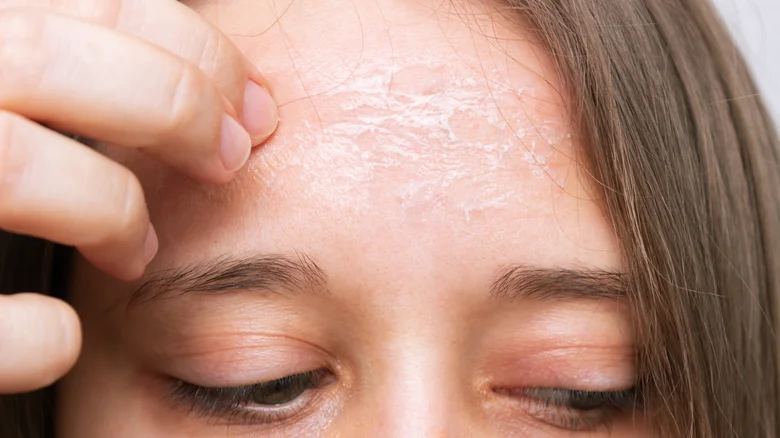
Dry skin patches are common and can occur for various reasons.
They may result from environmental factors like cold or dry air, especially during seasonal transitions.
Certain skincare products containing alcohol or fragrances can also contribute to dryness.
Additionally, underlying skin conditions such as eczema, psoriasis, or other forms of dermatitis can cause persistent dry patches.
To manage and alleviate dry skin patches, consider the following practices:
- Moisturize regularly: Apply a thick, fragrance-free cream or ointment to damp skin after bathing to lock in moisture.
- Limit exposure to water: Take short, lukewarm showers or baths, and gently pat your skin dry afterward.
- Use gentle skincare products: Opt for mild, fragrance-free cleansers and avoid harsh soaps that can strip natural oils from your skin.
- Maintain indoor humidity: Using a humidifier can help keep the air moist, preventing your skin from drying out.
- Protect your skin: Wear gloves when handling cleaning products or when exposed to cold weather to shield your skin from irritants and moisture loss
If dry patches persist despite these measures, or if you notice signs of infection, it’s advisable to consult a healthcare professional for further evaluation and treatment.
Red dry patches on skin are a common concern that many people experience, and they can be caused by a range of factors.
From environmental triggers like cold weather and harsh products to underlying skin conditions, these patches can be both uncomfortable and frustrating.
Understanding the possible causes is the first step to finding the right way to manage them.
Table of Contents
Possible Causes for Red Dry Patches on Skin

Red Dry Skin Spots Possible Cause #1. General Dry Skin (Xerosis)
Dry, rough, flaky patches often develop when your skin lacks moisture.
Factors like cold or dry weather, sun exposure, harsh soaps, frequent washing, or excessive bathing can trigger this.
It’s especially common in older adults or those in low-humidity environments.
Red Dry Itchy Skin Patches Possible Reason #2. Atopic Dermatitis (Eczema)
A chronic inflammatory condition that gives rise to red, itchy, and flaky patches—especially in flexural areas like behind the knees, inside elbows, and sometimes on the face.
It’s not contagious but often runs in families or coexists with asthma and allergies.
Dry Red Skin Patches Possible Cause #3. Contact Dermatitis
An allergic or irritant reaction from exposure to things like certain metals (e.g., nickel), fragrances, detergents, or cosmetics.
It can make skin dry, red, and itchy or cause a rash.
Red Dry Spots on Skin Possible Cause #4. Psoriasis
A long-term autoimmune condition characterized by rapidly multiplying skin cells, resulting in thick, scaly, red or purplish plaques—often on elbows, knees, scalp, or lower back.
Dry Skin With Red Patches Possible Cause #5. Seborrheic Dermatitis
A persistent condition affecting oil-rich areas like the scalp, face, and chest.
Symptoms include flaky or greasy, red and itchy patches—often misidentified as dandruff or eczema.
Skin Red Dry Patches Possible Cause #6. Xerotic Eczema (Winter Itch)
A specific type of eczema triggered by extremely dry conditions—common in winter or arid climates.
Skin becomes dry, red, cracked, and intensely itchy.
7. Fungal Infections (e.g., Ringworm / Tinea Faciei)
These may present as red, scaly patches with raised edges and sometimes blistering.
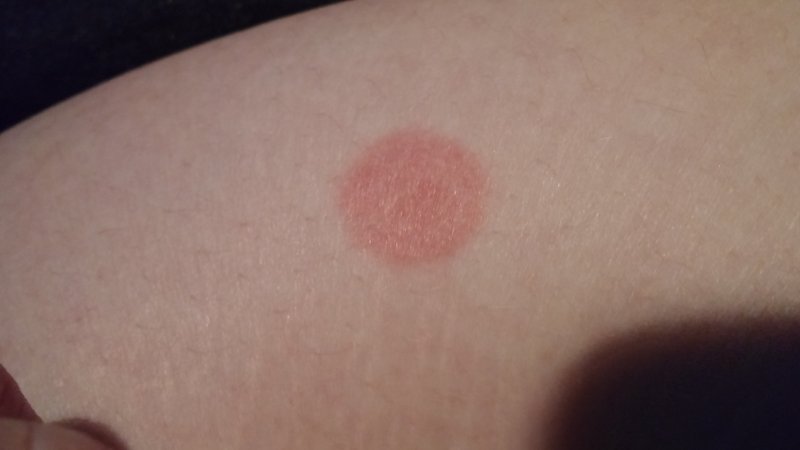
Photo Credits: BabyCenter, EverydayHealth.com, Glam
I hope you don’t mind me sharing this link, but I recently came across an article discussing the management of stubborn skin infections, particularly in tropical environments like Honduras. It made me wonder, how can specific medications like ceftriaxone be effectively incorporated in the treatment of severe skin infections caused by bacteria? You can find more information in the article here: https://dermalogicahonduras.com/managing-stubborn-skin-infections-honduras-diagnosis-recovery. Thank you!
Hi Lisa,
Welcome to Chick About Town! No, I don’t mind you sharing a link here. I hope my readers find it useful.
Biche