Beach waves hair is one of those styles that looks casual but is actually quite intentional.
It’s meant to mimic how your hair would look after a day at the ocean—slightly messy, textured, and full of movement.
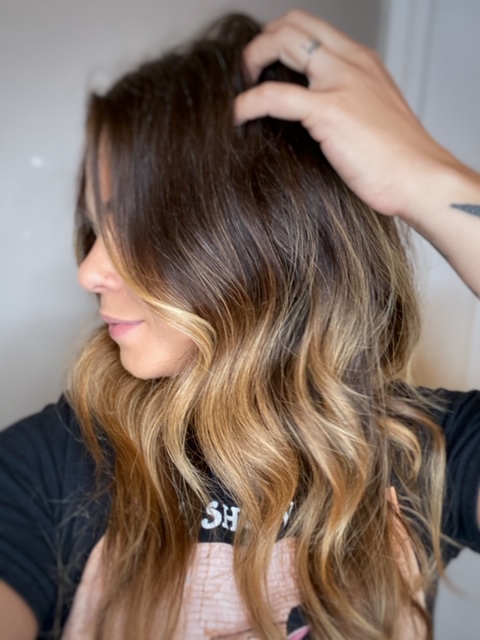
Table of Contents
What Beach Waves Hair Actually Is
At its core, beach waves are loose, relaxed waves with a slightly undone finish.
They’re not tight curls or polished blowout waves. Instead, they sit somewhere in between—soft bends in the hair with straighter ends and an irregular pattern.
The key details that define the look:
- Waves are imperfect and slightly uneven
- Ends are often left a bit straight
- Texture looks wind-swept or salt-kissed, not styled to perfection
- The overall vibe is relaxed rather than “done”
It’s the kind of style that tends to look better as it loosens over time rather than staying structured.
Why the Beach Waves Hairstyle Is So Popular
Beach waves have stayed relevant for years because they sit right in that sweet spot between effort and ease.
They work for:
- Everyday wear
- Work or casual settings
- Events when you don’t want overly formal hair
They also pair well with colouring techniques like balayage because the waves help show dimension and depth in the hair.
How People Create Beach Wave Hair
There isn’t just one method, which is part of why the style is so accessible.
1. Heat styling (most common)
- Curling wand or iron: wrap hair loosely and leave the ends out
- Flat iron: twist and glide to create a soft bend
- Alternate directions for a more natural finish
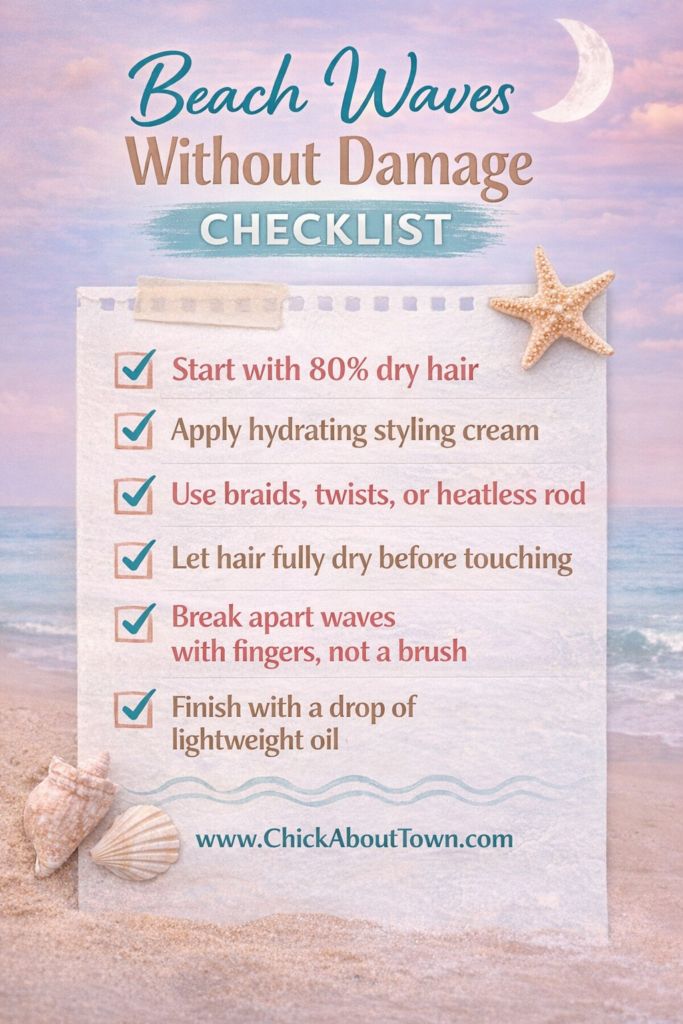
2. No-heat methods
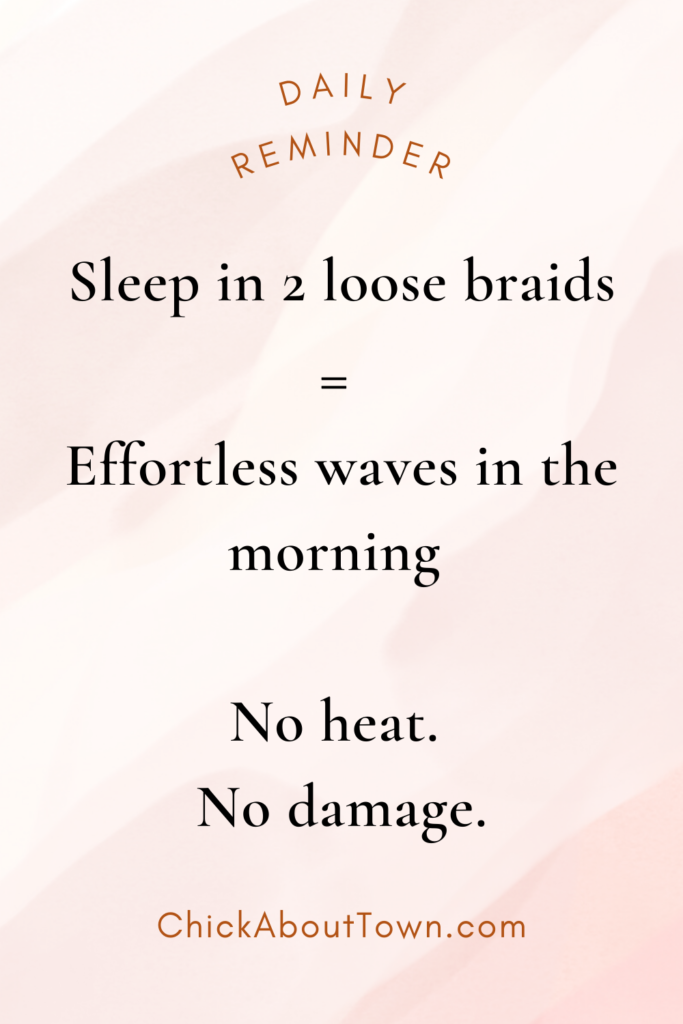
- Loose braids on damp hair overnight
- Twists or buns for a softer wave pattern
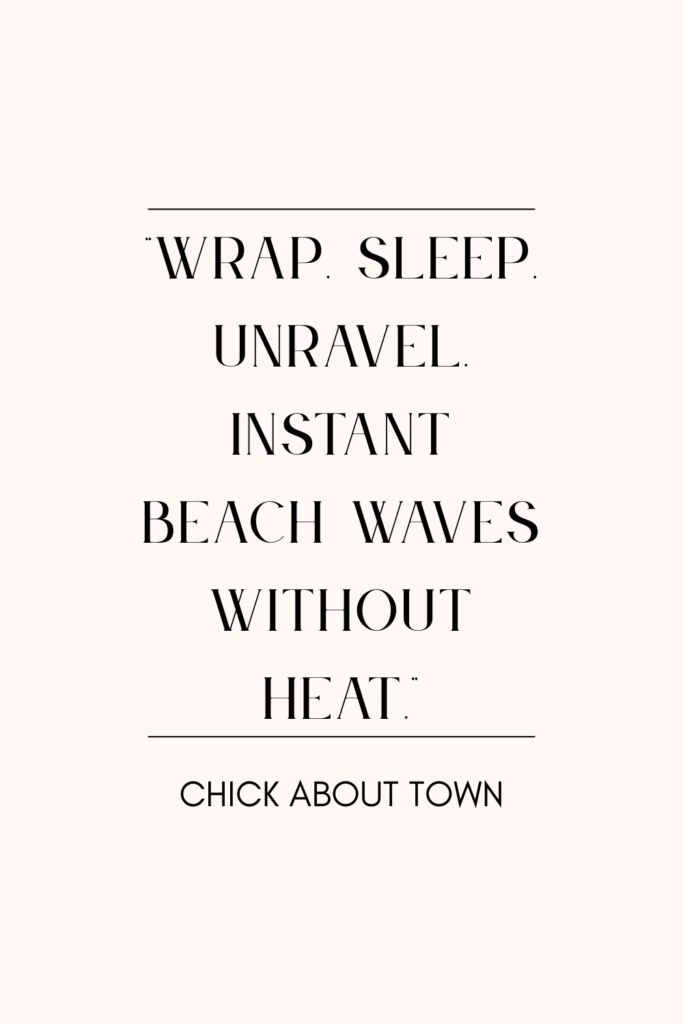
3. Finishing technique (this is what makes it “beachy”)
- Break up the waves with fingers, not a brush
- Use texturizing or salt sprays
- Avoid making everything uniform
What Makes Beach Waves Different From Other Waves
- Vs. tight curls: beach waves are looser and less defined
- Vs. Hollywood waves: beach waves are messy and irregular, not sleek or structured
- Vs. “mermaid waves”: those tend to be more uniform and flowing, while beach waves are more tousled
Who it works for
Almost anyone can wear beach waves. The technique just changes slightly:
- Fine hair: lighter products so it doesn’t fall flat
- Thick hair: stronger hold or some heat styling to shape it
- Naturally wavy hair: often just needs enhancing rather than creating
The Overall Idea
Beach waves are less about precision and more about controlled imperfection.
If the hair looks like it fell that way on its own, you’ve done it right.
Beach Waver Hair Curler
A beach waver hair curler is a styling tool designed specifically to create those loose, “just left the ocean” waves without needing advanced technique.
It sits somewhere between a traditional curling iron and a crimping tool, but with features that make beach waves faster and more consistent.
What a Beach Waver Curler Actually Is
There are two main types of beach waver tools:
1. Rotating curling irons (like “Beachwaver” style tools)
These look like a regular curling iron but have a motor that automatically rotates the barrel, wrapping your hair for you. Instead of manually twisting your wrist, you press a button and the hair wraps evenly around the barrel.
2. Multi-barrel wavers (the three-barrel type)
These clamp down on your hair and shape it into an “S” wave pattern rather than a spiral curl. This is what gives that classic beachy texture instead of ringlets.
Both types aim to create softer, more relaxed waves rather than tight curls.
How it works
- Hair is placed between barrels or wrapped around a rotating wand
- Heat reshapes the hair into waves or curls
- You move section by section until the full head is styled
With wavers specifically, the motion is more of a press-and-release pattern down the hair shaft, which builds a continuous wave instead of separate curls.
Key Features to Look For
Modern beach waver curlers tend to include:
- Ceramic or tourmaline barrels for even heat and less frizz
- Adjustable temperature settings to suit different hair types
- Auto shut-off for safety
- Multiple barrel sizes to control how loose or defined the waves are
Hair an Beach
Hair and the beach have a complicated relationship.
On one hand, the beach gives you that effortless, textured “good hair day” look.
On the other, the same elements that create that look can slowly wear your hair down.
Why Hair Looks So Good at the Beach
That classic “beach hair” isn’t random.
It’s the result of a few things happening at the same time:
- Saltwater adds texture
Salt pulls moisture from the hair and slightly roughens the outer layer (the cuticle). That roughness creates grip, so strands clump together into soft, natural waves. - Natural oils get stripped away
Ocean water removes excess oil and buildup, so hair feels lighter and less weighed down. That’s part of why it suddenly looks more voluminous. - Sunlight brightens the colour
UV rays break down melanin in the hair, which can gradually lighten it and give that “sun-kissed” effect. - Wind and humidity shape the hair
The combination of air movement, moisture, and drying creates that slightly messy, uneven wave pattern that people try to recreate with styling tools.
Put together, you get hair that looks fuller, textured, and naturally styled without much effort.
What’s Actually Happening Underneath
The same factors that make your hair look good are also stressing it:
- Dryness
Salt is hygroscopic, meaning it draws water out of your hair, leaving it dehydrated over time. - Cuticle damage
The outer layer of your hair lifts and becomes rough, which leads to tangling and a coarse feel. - Protein breakdown from the sun
UV exposure doesn’t just lighten hair, it also weakens its structure, making it less manageable. - Increased breakage
When hair is dry and rough, it becomes more prone to split ends and snapping.
So that soft, beachy texture is partly controlled damage.
Why some hair types love the beach more than others
- Wavy or curly hair often looks better because the salt enhances natural patterns
- Fine or straight hair gains volume and grip it usually lacks
- Very dry or chemically treated hair tends to struggle more, because it’s already vulnerable
How to enjoy the beach without wrecking your hair
You don’t have to avoid the beach, but a few habits make a big difference:
- Rinse your hair with fresh water before and after swimming
- Use conditioner or oil beforehand to reduce how much salt gets absorbed
- Avoid staying in the sun with dry, unprotected hair for hours
- Wash and deeply condition afterward to restore moisture
The real takeaway
Beach hair looks effortless because it’s shaped by the environment—salt, sun, wind, and water all working together. But that same process is slightly damaging. The goal is to enjoy the texture and movement while managing the dryness that comes with it.
Photo credits: Brenner Beauty