Why don’t black people get white tattoos?
It is a question that comes up whenever people see white ink tattoos and wonder why they are less common on dark skin. The truth is that Black people can get white tattoos, and the results can be beautiful. However, white ink behaves differently from the bright, opaque pigment many people imagine. It may heal with a cream or greyish appearance, fade over time, or become less visible against the skin. So, is white tattoo ink a good choice for Black skin, and what should you know before getting one?
Understanding how white ink interacts with melanin, how tattoos heal, and what happens to them over time can help you decide whether this look is right for you.
Table of Contents
White Tattoos Black People Complication #1. White ink does not always look white on dark skin
White ink can be visible on Black skin, but the result may look cream, greyish, muted or slightly lighter than the surrounding skin rather than bright white.
This happens because the tattoo pigment sits beneath the skin’s natural pigmentation. The more melanin present in the skin, the more that natural colour can influence the appearance of the ink.
A design that looks bright white immediately after tattooing may look considerably less distinct once it has healed.
The result varies with the person’s skin tone, the ink, the tattoo technique and the individual’s healing response.
2. White Tattoos Can Fade or Change Colour
One of the biggest disadvantages of white ink tattoos is their unpredictable appearance over time.
- Fading: The design can become difficult to see as the ink loses contrast with the surrounding skin.
- Yellowing: White ink may develop a yellowish or cream-coloured appearance as it ages.
- Colour changes: The healed tattoo may appear beige, greyish or otherwise different from the original design.
- Uneven results: Some parts of the tattoo may remain visible while others become faint.
These changes are not exclusive to Black people. White ink can fade and change appearance on people of all skin tones.
However, on darker skin, the loss of contrast can make the design particularly difficult to see.
3. White tattoos may look like scars
Some white ink tattoos create a slightly raised appearance, which can make the design resemble a scar rather than a conventional tattoo. This is not inevitable, but the texture can become more noticeable when the white pigment fades.
The effect depends on the tattooing technique and how the person’s skin heals. White ink should not be deliberately tattooed deeply or repeatedly in an attempt to force it to look brighter, as excessive trauma can increase the risk of scarring.
4. Can Black people get other tattoo colours?
Absolutely. Dark skin does not mean a person has to stick to black ink.
Depending on the individual’s skin tone and the design, tattoo colours such as red, green, blue and purple can produce attractive results. Darker pigments and strong outlines may provide more contrast, while pale pastels and delicate white details can be harder to see.
The best colour choices depend on the particular person’s skin tone, the tattoo’s placement and the artist’s experience.
A tattoo artist who regularly works on dark skin should be able to explain what is likely to remain visible after healing.
5. What Should Someone Consider Before Getting a White Tattoo on Black Skin?
If you are considering a white ink tattoo, there are several practical steps worth taking.
- Look at healed tattoos. Ask to see photographs of white ink tattoos on skin close to your own shade, preferably months or years after they were completed.
- Choose an experienced tattoo artist. Find someone familiar with white ink and darker skin tones rather than someone relying on freshly completed photographs.
- Discuss how the design may age. Ask whether it is likely to become faint, cream-coloured or less distinct over time.
- Consider the placement. Sun exposure can affect a tattoo’s appearance, so discuss placement and aftercare with your artist.
- Avoid unnecessary skin trauma. Repeatedly working the same area to make the ink appear brighter can damage the skin.
Tattooing also carries risks of infection, allergic reactions and scarring.
Permanent tattoos can be difficult to remove, so it is important to use a reputable, hygienic studio.
The Bottom Line
Black people do get white tattoos. The reason many choose other tattoo colours is that white ink is unpredictable, may not heal bright white, and can fade or change colour until the design becomes difficult to see.
White tattoos can still be an option for Black people who like their subtle appearance and accept that the finished result may differ from the original design. The important consideration is not whether dark skin can be tattooed with white ink, but whether the result will look the way the person wants after the tattoo has healed and aged.
Thinking about getting a white tattoo on black skin? White ink can create a striking, delicate look against darker skin tones, but the finished result may look quite different from what you see immediately after the tattoo is done. From how white ink appears and heals to how well it holds up over time, there are several things to consider before choosing this unique tattoo style.
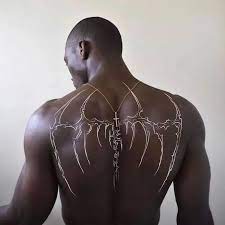
Why Don’t Black People Get White Tattoos?
- Low Contrast & Translucency
White tattoo ink tends to appear translucent on darker skin, making it look more like a scar or lighter shade of your natural tone rather than a crisp white. - Rapid Fading
White ink breaks down faster and fades more quickly than darker pigments. Many users report that it disappears entirely within months to a few years. “White ink doesn’t always look good under dark skin… can wind up looking yellow or off color.” - Yellowing & Discoloration
As it fades, white ink often turns yellow, brown, or tan—especially under UV exposure. - Healing & Skin Reactions
The thicker texture of white ink (often based on titanium dioxide) can be tough to deposit deeply enough, leading to uneven healing or keloids.
What Makes a White Tattoo on Black Skin Work Sometimes
- Minimal, Accent Use
When used sparingly for small highlights or outlines in combination with darker ink, white ink can look striking—though it typically still needs frequent touch-ups. “White ink is for final touches! Highlights and shit.” - Skin as Art
Some see the eventual faded look—reminiscent of scars or birthmarks—as part of the aesthetic journey.
Getting It Right: Tips for White Tattoos.on Black Skin
- Choose a skilled, experienced artist, ideally with a portfolio showcasing white ink on dark skin.
- Expect maintenance: multiple sessions and periodic touch-ups are essential.
- Plan your design: consider using white strategically for accents, not full designs.
- Strict aftercare: keep it clean, moisturized, and protected from the sun.
White Tattoos on Black People Summary
White ink tattoos on Black skin can look cool, especially in small accents, but they rarely stay bright white and typically fade, yellow, or resemble scars over time. Many find that journey acceptable—or even appealing—while others prefer more reliable black or colored ink. Choosing a knowledgeable artist and understanding upkeep is key.
White tattoo ink black skin can create a unique and subtle aesthetic, but it comes with specific challenges related to visibility, longevity, and healing.
Visibility and Appearance of White Ink on Black Skin
White ink tattoos tend to be less visible on darker skin tones because the ink is translucent and allows the skin’s natural pigment to show through.
This can result in the tattoo appearing more like a scar or being barely noticeable, especially after healing.
The ink may also take on hues like yellow or brown over time, depending on the individual’s skin tone and how the tattoo heals.
Longevity and Fading of a Tattoo Using White Ink on African Skin
White ink is known to fade faster than other pigments, regardless of skin color.
On darker skin, the contrast is lower, making the fading more apparent.
Some individuals have reported their white ink tattoos fading completely within a few years.
Factors like sun exposure, skin type, and the body’s immune response can influence how quickly the ink fades.
Healing Process for White Tattoo Ink on Black Skin
The healing process for white tattoo ink black skin can be unpredictable.

Tattoos on Dark Skin Females
If you would like to know more about tattoos on dark skin females, click here.
Photo credits: Tattoo Me, BW Tattoo Art