Looking for a loc-inspired hairstyle that feels soft, flexible, and easy to switch up?
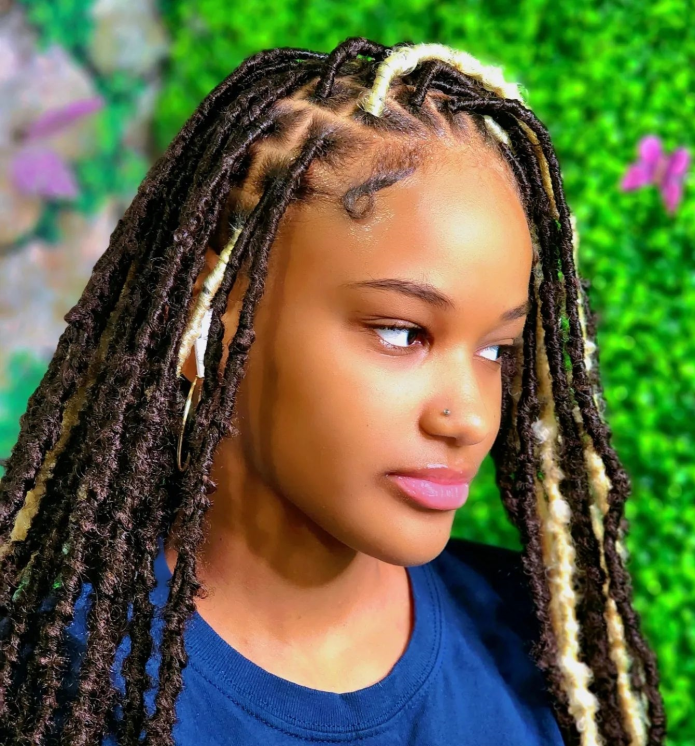
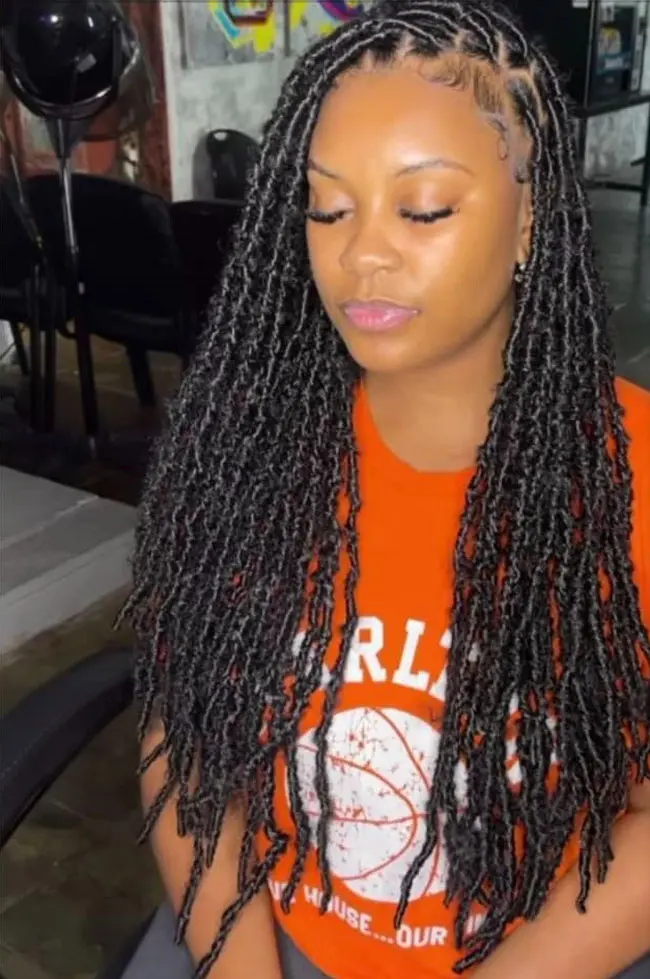
Soft dreads hairstyles offer a relaxed take on the traditional dreadlock look, with lightweight locs that can be worn loose, pulled into a ponytail, styled into an updo, or decorated with beads and other accessories.
Whether you’re drawn to their natural texture or simply want a hairstyle with plenty of styling options, soft dreads can be a fun way to change your look while keeping that distinctive loc aesthetic.
READ ALSO: Soharten Style Hair
Table of Contents

How Soft Dreads Hairstyles Are Created
Soft dreads are usually installed using hair extensions and techniques like crochet or wrapping: your natural hair is braided or sectioned, and then lightweight synthetic or real hair is crocheted in or wrapped around each section to form locs.
Because the extensions and method are designed for softness and flexibility, the finished locs feel lighter and move more freely than very firm, conventional dreadlocks.
What Makes the Best Soft Dread Hairstyles Different From Traditional Dreadlocks
Traditional, mature dreadlocks tend to be firm and dense over time, especially if they form naturally or through backcombing and twisting. Soft dreads, by contrast, are intentionally kept pliable and smooth.
This makes them easier to style right away and often more comfortable to wear, especially if you’re not ready for a permanent, heavy loc style.

Who Faux Locs Suit
Soft dreads work well for a variety of hair types, especially textured or curly hair, but they’re also an option for straighter hair types when installed with extensions.
Because they aren’t as stiff as traditional locs, they’re often chosen by people who want the dread look without the long-term commitment or the firm texture.

Styling Versatility of Softdread
One of the appealing things about soft dreads is how many ways you can wear them.
Some popular options include updos, high buns, half-up styles, ponytails, side-swept looks or even braided crowns.
Because they stay softer and more flexible, it’s easier to experiment with different shapes and accessories like beads, wraps or scarves.
Soft Dreds Styles Care and Maintenance
Soft dreads typically need more attention early on because they are looser and lighter. Gentle washing every couple of weeks with a residue-free shampoo and careful rinsing helps keep them fresh.
Moisturizing with light, water-based products helps reduce dryness and frizz, and wrapping your hair at night with a satin or silk scarf can protect the style.
Touch-ups every few weeks help maintain neat roots and prevent buildup.

Pros and Considerations
- Pros: Softer feel, lighter weight, more styling flexibility, looks natural right away.
- Considerations: May require more frequent maintenance than firm locs; quality and texture depend on the hair used and installation method.
Soft dreads are a way to enjoy the visual appeal of locs while keeping things comfortable, adaptable and suitable for everyday looks or special occasions.
Latest Soft Dreads Styles Images
If you are looking for some soft dread hairstyles images, see those above.
Soft Dread Sew In

Soft Dread Music Style
Soft dread music is best understood as a description of a musical mood rather than a widely established, formally defined music genre.
The phrase suggests music that creates a feeling of quiet unease, sadness, apprehension or impending trouble without relying on loud, aggressive or overtly frightening sounds.
The word soft points to the music’s restrained delivery, while dread describes the emotional atmosphere it creates.
The result is a sound that may feel gentle on the surface but unsettling underneath.
It is important to distinguish this expression from established genres such as darkwave, ambient music, slowcore and dream pop, which can all explore similar emotional territory.
1. What Does Soft Dread Music Sound Like?
Soft dread music often features a combination of the following musical elements, although the exact sound depends on the artist and style.
- Slow or restrained rhythms: The music may move at an unhurried pace, leaving space between notes and beats.
- Muted instrumentation: Soft piano, distant guitars, subdued synthesizers and low-volume percussion can create an intimate sound.
- Unresolved melodies: Musical phrases that seem incomplete or avoid a satisfying resolution can leave the listener feeling unsettled.
- Low drones and sustained notes: Long, continuous sounds can create tension without an obvious melody or dramatic event.
- Atmospheric production: Reverb, echo, background noise and layered textures can make the music feel distant, dreamlike or disorienting.
- Subdued vocals: A quiet, breathy, detached or emotionally restrained voice may reinforce the sense of sadness or unease.
Not every piece needs all these elements.
The defining idea is the contrast between a relatively gentle sound and an uncomfortable emotional undercurrent.
2. The Mood and Emotions of Soft Dread Music
Soft dread music can communicate several related but distinct feelings.
Anticipation
The feeling that something is about to happen, although the music never reveals what it is. Repetition, silence and unresolved notes can build this tension.
Melancholy
A quiet sense of loss, regret or emotional exhaustion. Sparse piano melodies and subdued vocals can create this effect.
Unease
The music feels slightly wrong or unfamiliar, perhaps because of unusual harmonies, dissonant notes or sounds that seem to hover in the background.
Emotional numbness
Music can sound distant, detached or almost emotionless, suggesting isolation or an inability to respond to what is happening.
These moods are not interchangeable. Melancholy tends to focus on sadness, suspense focuses on anticipation, and dread often combines uncertainty with a sense of threat.
3. Instruments and production techniques
The sound of soft dread music depends heavily on how instruments are played and recorded.
| Instrument or technique | Possible effect |
|---|---|
| Soft piano | Creates intimacy, loneliness or sadness |
| Ambient synthesizers | Establish a floating, uncertain atmosphere |
| Low bass notes | Suggest weight, pressure or an approaching threat |
| Clean electric guitar with reverb | Creates distance and a ghostly quality |
| Sparse percussion | Maintains tension without overwhelming the listener |
| Dissonant harmonies | Introduces discomfort or instability |
| Silence and long pauses | Makes the listener anticipate the next sound |
| Distorted or muffled recordings | Gives the music an aged, distant or unsettling character |
A piece can sound soft in volume while still being psychologically intense.
Sometimes a single sustained note is more effective at creating dread than a dramatic musical climax.
4. Music Genres Related To Soft Dread
Soft dread overlaps with several recognised genres and musical approaches.
These are useful categories to explore when looking for music with this particular mood.
Dark Ambient
Best for: deep unease and suspense
Dark ambient uses atmospheric textures, drones and unusual sounds to create immersive, sometimes ominous environments.
It often has little or no conventional beat.
Dream Pop
Best for: hazy beauty with an unsettling undertone
Dream pop uses atmospheric guitars, reverb, soft vocals and layered sounds.
It can feel beautiful and comforting while retaining a sense of distance or sadness.
Slowcore
Best for: loneliness and emotional heaviness
Slowcore favours slow tempos, restrained arrangements and introspective songwriting.
Its quietness can make feelings of isolation or sadness especially pronounced.
Darkwave
Best for: dark, introspective melodies
Darkwave combines elements of post-punk and new wave with sombre moods, synthesizers, guitars and often minor-key melodies.
Some tracks are gentle, while others are more rhythmic and forceful.
Minimalist and Experimental Film Music
Best for: quiet suspense and psychological tension
Repeated musical patterns, unusual sound design and carefully controlled silences can create dread without the sudden loud effects associated with conventional horror scores.
5. How soft dread differs from horror music
The distinction lies primarily in how the music creates fear or discomfort.
| Soft dread | Conventional horror music |
|---|---|
| Often restrained and quiet | May be loud and dramatic |
| Builds a lingering sense of unease | May use sudden shocks and intense dissonance |
| Can leave the source of the threat unclear | May accompany a visible danger or frightening event |
| Often sustains tension over time | May build towards a dramatic climax |
| Can sound beautiful, sad or peaceful | Often signals danger more directly |
These are tendencies, not strict rules.
Horror soundtracks can be quiet and subtle, and music described as soft dread can contain intense passages.
6. Artists and Music To Explore
If you want to hear music that approaches the soft-dread atmosphere, these artists and works offer different starting points.
Bohren & der Club of Gore
Explore Sunset Mission.
Its extremely slow, dark jazz atmosphere is useful for exploring music that feels nocturnal, restrained and uneasy.
Grouper
Explore Dragging a Dead Deer Up a Hill. Hazy vocals, soft guitar and blurred ambient textures produce an intimate, melancholy atmosphere.
William Basinski
Explore The Disintegration Loops. Its gradually deteriorating musical loops create a meditative, haunting quality through repetition and gradual change.
Low
Explore Things We Lost in the Fire. The band’s restrained performances and slow, spacious arrangements offer a route into the quieter, emotionally heavy side of this sound.
These are related listening suggestions, not artists who necessarily classify their own music as soft dread.
7. Where is soft dread music used?
The mood can work in several settings:
- Film and television: Psychological thrillers, atmospheric dramas and scenes where danger is suggested rather than shown.
- Video games: Exploration of abandoned buildings, unfamiliar landscapes or mysterious environments.
- Art and experimental projects: Sound installations and performances that evoke anxiety, uncertainty or isolation.
- Personal listening: Listeners drawn to introspective, haunting or melancholic music.
- Ambient sound design: Background textures intended to create an uneasy atmosphere without demanding constant attention.
Whether it is relaxing or disturbing depends on the listener and the context. A quiet, sustained musical texture can be calming to one person and deeply unsettling to another.
8. How to find more soft dread music
Because soft dread is not a consistently established genre label, searching for related sounds will generally yield more useful results than searching for the phrase alone.
Try these search terms on music streaming platforms:
soft dark ambientgentle unsettling musicmelancholic atmospheric musicquiet psychological horror soundtrackslowcore dark melancholyhaunting ambient pianodream pop eerie atmosphereminimal music with unresolved tension
The essential idea: soft dread describes a musical atmosphere in which gentleness and unease coexist. It can be created through slow pacing, subdued instrumentation, unresolved melodies, atmospheric production and the deliberate withholding of emotional release.
The music does not need to sound frightening in an obvious way. Its effect comes from the lingering feeling that something is wrong, even when nothing dramatic happens.
READ ALSO: The Elegant High Ponytail Site:ChickAboutTown.com Today in 2026 & More
Photo Credits: Lion Locs, @SweetCreativeStyles, @DolledUpBB, Darling Uganda, Darling Africa
READ ALSO: Blonde Dread Tips 2023: Elevating Individuality with a Touch of Bold Sophistication