In professional sumo wrestling, sumo wrestler hair is one of the first details you notice — and one of the most meaningful.
Wrestlers grow their hair long so it can be carefully shaped into a traditional topknot, a practice rooted in centuries of Japanese history. That distinctive style links today’s rikishi to the samurai era and remains an essential part of sumo’s identity, ceremony, and rank structure.
Table of Contents
Sumo Wrestler Hair Style #1: Sumo Topknot (Chonmage)
The basic hairstyle worn by all sumo wrestlers once they have enough hair is called a chonmage.
This is a traditional topknot where the hair is gathered and tied at the crown of the head.
It comes from an old samurai hairstyle of the Edo period, when warriors used a similar knot to help secure helmets in battle. In modern sumo, the sides and crown aren’t usually shaved as in historical versions, but the tied topknot remains a defining feature of the rikishi’s look.

Sumo Wrestling Hair Style #2: Fan-Shaped Oicho Style
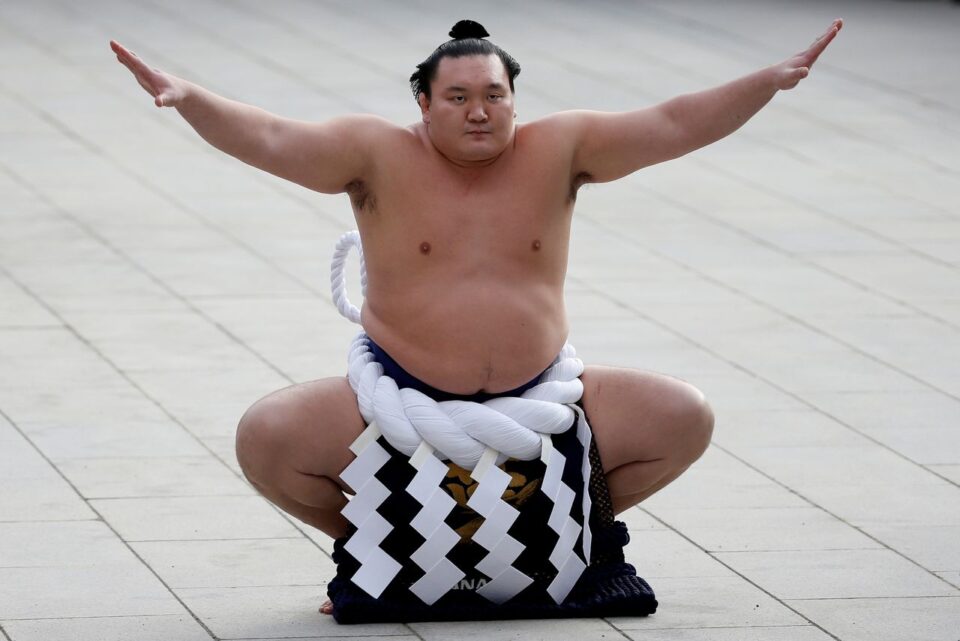
Wrestlers who reach the higher, salaried ranks (sekitori) wear a more formal version of the topknot in official tournaments called an ōichō-mage. The end of this topknot is shaped outward to resemble a ginkgo leaf, creating a decorative fan shape that symbolizes rank, pride, and achievement within the sumo world.
Styling and Care of Sumo Hairstyles
Sumo wrestlers don’t style their own hair. A specially trained hairdresser called a tokoyama takes care of washing, oiling, and tying the topknot.
Traditional products like bintsuke abura, a thick hair oil, help shape and hold the knot while also giving off a distinctive scent often associated with sumo arenas.
Retirement Ritual Related to the Sumo Haircut
When a wrestler ends his career, there’s a special ceremony called danpatsu-shiki where the topknot is cut off piece by piece by mentors, family, and supporters. This ritual signifies the transition from life as an active sumo wrestler to a new phase beyond the ring.
Sumo hair isn’t just a practical style — it reflects history, ritual, and the status of each wrestler, making it a unique and treasured part of the sport’s identity.
The sumo wrestler top knot has long been a symbol of tradition, culture, and rank in Japan. Worn by sumo wrestlers for centuries, this distinctive hairstyle reflects the discipline, heritage, and history that define the sport.
What the Sumo Wrestler Top Knot Is
In sumo, the classic topknot is called a chonmage.
This style goes back centuries to Japan’s samurai era, when long hair was gathered and tied on top of the head and sometimes a shaved crown helped keep helmets in place.

In sumo, wrestlers grow their hair long and it’s tied into this form as part of their identity as rikishi (sumo wrestlers).
Different Styles and Their Meanings
Not all topknots look the same. There are two main forms:
- Chonmage: This is the basic sumo topknot worn by all professional wrestlers once their hair is long enough. It’s neat, folded, and sits on the crown of the head.
- Ōichō-mage: Wrestlers in the higher professional ranks (called sekitori) wear an elaborate version where the end of the topknot is shaped outward, resembling a ginkgo leaf. This fan‑like style is highly visible and seen during official tournaments and ceremonies.
Photo Credits: World of Samurai, Ikidane Nippon, Toshidama Japanese Prints