Ingrown bikini hairs are hairs that should grow out through the skin but instead grow back into it after removal, causing irritation where you groom (shave, wax or tweeze) around your bikini or pubic area. They’re common, especially if you remove hair regularly and your hair is thick, curly or coarse.
You might notice these as small bumps that look like razor bumps or pimples. They can feel sore, itchy, red or swollen, and sometimes they may even have a hair trapped under the skin or a bit of pus if they get infected.
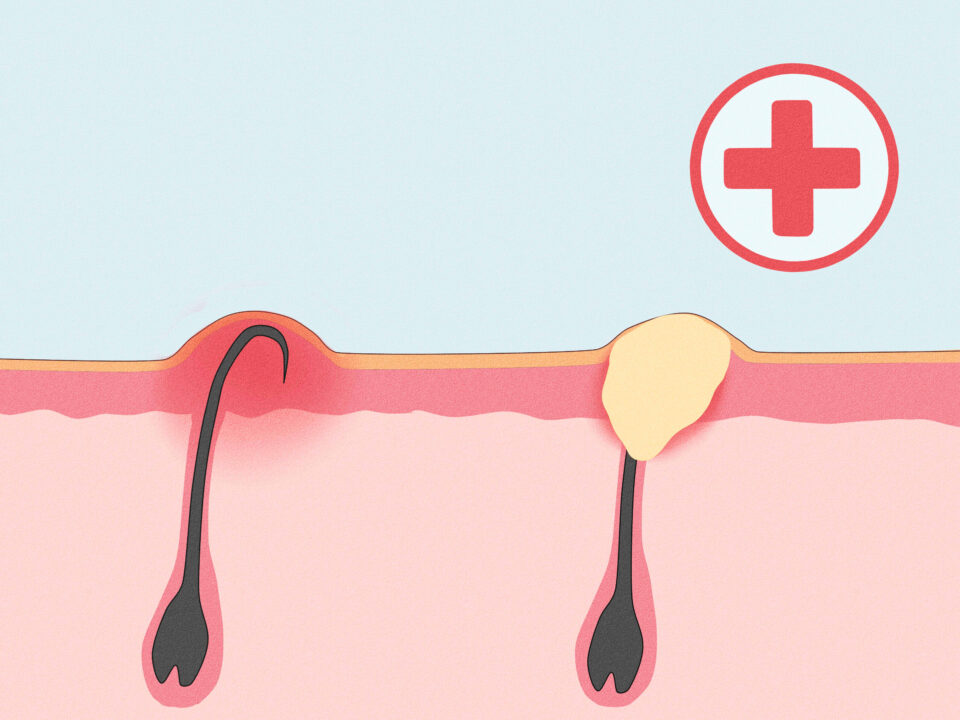
Table of Contents
What causes ingrown bikini hairs/Ingrown Bikini Line
- Cutting hair very short, like with a close shave, can leave the tip sharp and thin, so as it grows back it curls and re‑enters the skin.
- Waxing or tweezing can make the new hair shaft grow in a direction that turns back under the skin.
- Curly or coarse hair is more likely to loop back under the skin.
The irritation is basically your body reacting to a hair acting like a foreign object under your skin.
How to treat Ingrown Bikini Hair/Ingrown Hair Underwear Line
Often they improve on their own within a few days to a couple of weeks without any treatment.
Here’s how to help them heal more comfortably:
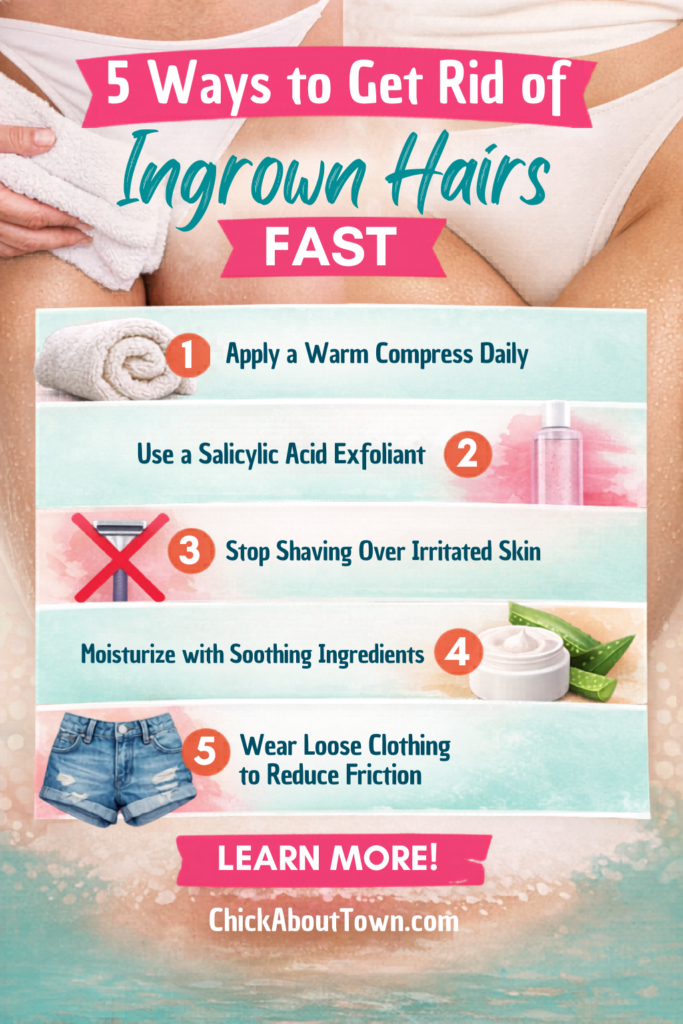
• Apply a warm compress for a few minutes to help open pores and soften the area.
• Gently exfoliate the area (a soft washcloth or mild scrub) to remove dead skin that may trap hairs.
• If the hair is visible and near the surface, you can use clean tweezers or a sterile needle to gently help it come out — but don’t dig into your skin or force it, as that increases infection risk.
• Rest from shaving or waxing the area until the irritation goes down.
If an ingrown hair becomes very painful, constantly recurs, shows increased redness, warmth or pus, you might consider seeing a healthcare provider.
They can recommend creams (like gentle exfoliants, anti‑inflamatories, or antibiotics if infected) or other treatments to help the area clear up.
How to Prevent Ingrown Hair Bikini Line/Ingrown Hair Bikini Area
Adjusting how you remove hair can make a big difference:
• Prepare your skin before hair removal by washing with warm water and using a shaving gel or lubricant. Shaving after a warm shower helps soften hair.
• Exfoliate regularly — this removes dead skin and lets hairs grow up instead of sideways under the skin.
• Shave gently in the direction of hair growth, using a clean sharp blade and avoiding pulling your skin tight.
• Consider using an electric trimmer or a single‑blade razor instead of a very close multi‑blade shave, which is less likely to cut hairs so short they curl inward.
• Give your skin time to rest between hair removal sessions, wear breathable underwear and avoid tight clothing that can rub the area.
• Some people find that aftercare products with mild acids (like glycolic or salicylic) used after shaving can help keep follicles clear — but only if your skin tolerates them gently.
Making these small changes to your grooming routine and aftercare can reduce how often you get ingrown hairs and how irritated your skin feels when they occur.
If you’ve ever dealt with painful, itchy bumps after shaving or waxing, you already know how frustrating it can be figuring out how to get rid of ingrown hairs on bikini line without irritating your skin even more.
The bikini area is sensitive, and what works for legs or underarms doesn’t always translate here.
Photo credits: WikiHow