If you’ve been wondering how to stop hair breakage in natural hair, you’re not alone.
You moisturize, you style carefully, and yet you still find strands on your comb, your pillow, and your clothes.
It can feel like your hair isn’t growing, but in most cases, it is growing. It’s just breaking at the same rate.
The good news is that breakage is something you can reduce once you understand what’s causing it.
With a few consistent changes, your hair can start to retain length, feel softer, and look fuller.
Let’s get into what actually works.
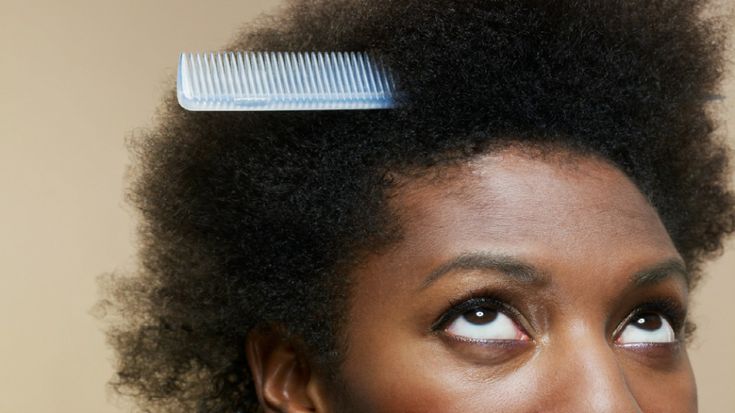
What Causes Breakage in Natural Hair?
Before fixing the problem, it helps to know what’s behind it.
Natural hair, especially coily and kinky textures, is more prone to dryness and fragility.
Common causes include:
- Lack of moisture
- Rough detangling
- Heat damage
- Tight styling
- Protein overload or lack of protein
- Friction from fabrics like cotton
If your ends feel rough, snap easily, or look thinner than your roots, breakage is likely the issue.
How to Stop Hair Breakage in Natural Hair: Start with Moisture
Moisture is the foundation of strong natural hair.
Dry hair breaks faster, especially at the ends.
Build a Simple Moisture Routine
Focus on three steps:
- Hydrate with water or a water-based leave-in
- Seal with an oil or butter
- Repeat regularly throughout the week
A leave-in conditioner like SheaMoisture Jamaican Black Castor Oil Leave-In Conditioner works well because it softens hair and adds slip, making detangling easier.
For sealing, a light oil like argan oil keeps hair from losing moisture too quickly without weighing it down.
If your hair feels dry two days after moisturizing, that’s a sign you need to refresh more often.
Detangle Gently (This Is Where Most Breakage Happens)
One of the biggest answers to how to stop hair breakage in natural hair is changing how you detangle.
Better Detangling Habits
- Always detangle on damp or moisturized hair
- Use a conditioner with slip
- Start from the ends and work your way up
- Use your fingers first before a comb
Tools matter too.
A flexible detangling brush like the Felicia Leatherwood Detangler Brush reduces tension on the hair, which means less snapping and shedding.
If you hear ripping sounds while detangling, that’s breakage happening in real time.
Trim Your Ends Regularly
It might seem counterproductive, but trimming actually helps retain length.
Split ends don’t repair themselves.
They travel up the hair shaft, causing more breakage over time.
How Often Should You Trim?
- Every 3–4 months if you wear your hair out often
- Every 4–6 months if your hair stays in protective styles
You don’t need to cut a lot.
Even a small dusting makes a difference.
Protect Your Hair at Night
Nighttime habits can either support your hair or undo all your progress.
Cotton pillowcases pull moisture from your hair and create friction, which leads to breakage.
Simple Night Routine
- Sleep with a satin or silk bonnet
- Or use a satin pillowcase
- Put your hair in loose twists or a braid
A bonnet like the Grace Eleyae Satin-Lined Cap is popular because it stays on overnight and protects your ends.
Be Careful with Protective Styles
Protective styles can help reduce breakage, but only if done properly.
Styles that are too tight or left in too long can cause thinning edges and breakage.
What to Watch For
- Avoid styles that pull at your hairline
- Don’t keep styles in longer than 6–8 weeks
- Moisturize your hair while it’s in the style
Braids, twists, and wigs should give your hair a break, not create more damage.
Balance Moisture and Protein
If your hair feels mushy and weak, it might need protein.
If it feels stiff and brittle, it may have too much.
Finding the right balance is key when figuring out how to stop hair breakage in natural hair.
When to Use Protein
- After heat styling
- If your hair feels overly soft and fragile
- If you notice excessive shedding and breakage
A treatment like Aphogee Two-Step Protein Treatment is strong, so it’s best used occasionally, followed by a deep conditioner.
Limit Heat Styling
Frequent heat use weakens the hair over time, especially if you’re not using protection.
If you straighten your hair often, you may notice more breakage at the ends.
Safer Heat Habits
- Always use a heat protectant
- Keep temperatures moderate
- Limit heat styling to special occasions
A good heat protectant like TRESemmé Thermal Creations Heat Tamer Spray helps reduce damage without making hair feel heavy.
Keep Your Ends Protected
Your ends are the oldest and weakest part of your hair.
They need extra care.
Easy Ways to Protect Ends
- Wear low-manipulation styles like buns or twists
- Seal ends with a heavier butter like shea butter
- Avoid over-handling your hair daily
If your ends stay tucked away and moisturized, you’ll see less breakage over time.
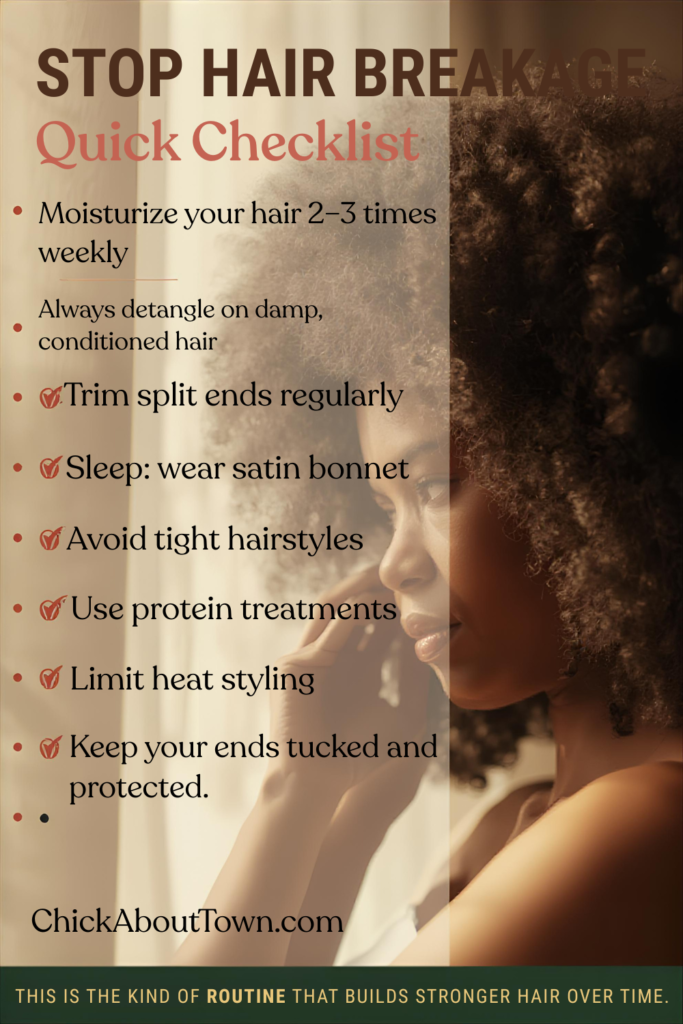
Quick Tips (Save This on Pinterest)
Final Thoughts: Consistency Is What Changes Your Hair
Learning how to stop hair breakage in natural hair isn’t about one miracle product or a single routine. It’s about doing a few simple things consistently.
Moisture, gentle handling, and protecting your ends will take you further than constantly switching products.
If you’re ready to see less breakage and more length retention, start with one or two changes from this list and build from there.
And if you’re shopping for products, look for moisturizing leave-ins, gentle detangling tools, and satin accessories that support your routine.
Your hair doesn’t need perfection. It just needs consistency.
Photo credits: African Naturalistas