White braids, often referring to braided hairstyles worn by individuals with white or light-colored hair, encompass a variety of styles and carry diverse cultural and aesthetic implications.
Here’s an overview:
Table of Contents
Cultural and Historical Significance of Braids
Braiding is an ancient art form found across numerous cultures worldwide.
In African societies, braids have historically signified social status, tribal affiliation, age, and marital status.
For instance, the Fulani tribe of West Africa is renowned for intricate braided styles that denote identity and heritage.
Similarly, in Native American traditions, braids symbolize unity and a connection to the earth, often worn during spiritual ceremonies
In Viking culture, braids served both functional and symbolic purposes, indicating rank and protecting hair during battles.
Braids in Contemporary Fashion
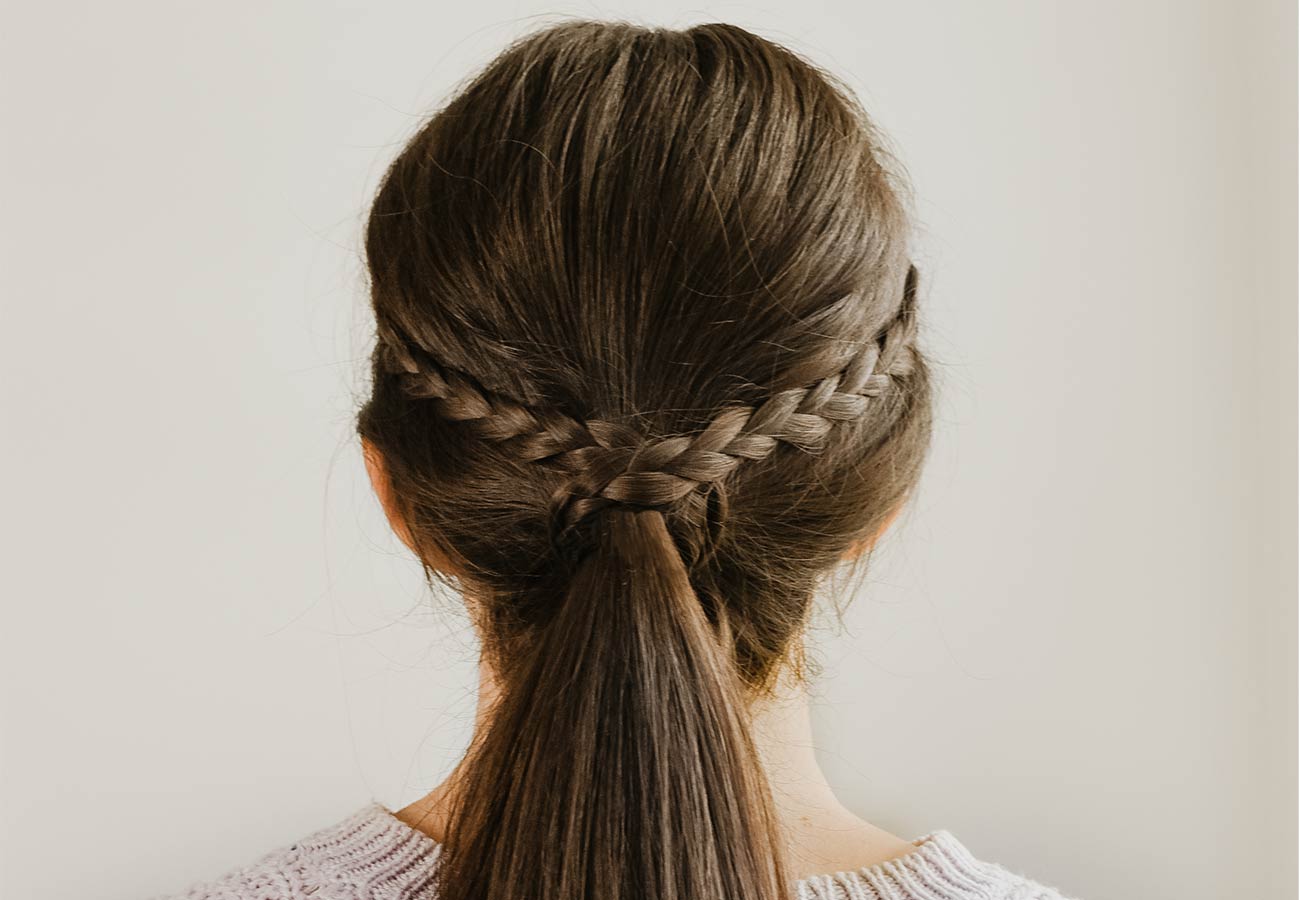
In modern times, braids have transcended cultural boundaries and become a popular fashion statement among individuals of various background.
For white individuals, braided hairstyles such as French braids, Dutch braids, and box braids are often chosen for their aesthetic appeal and versatility
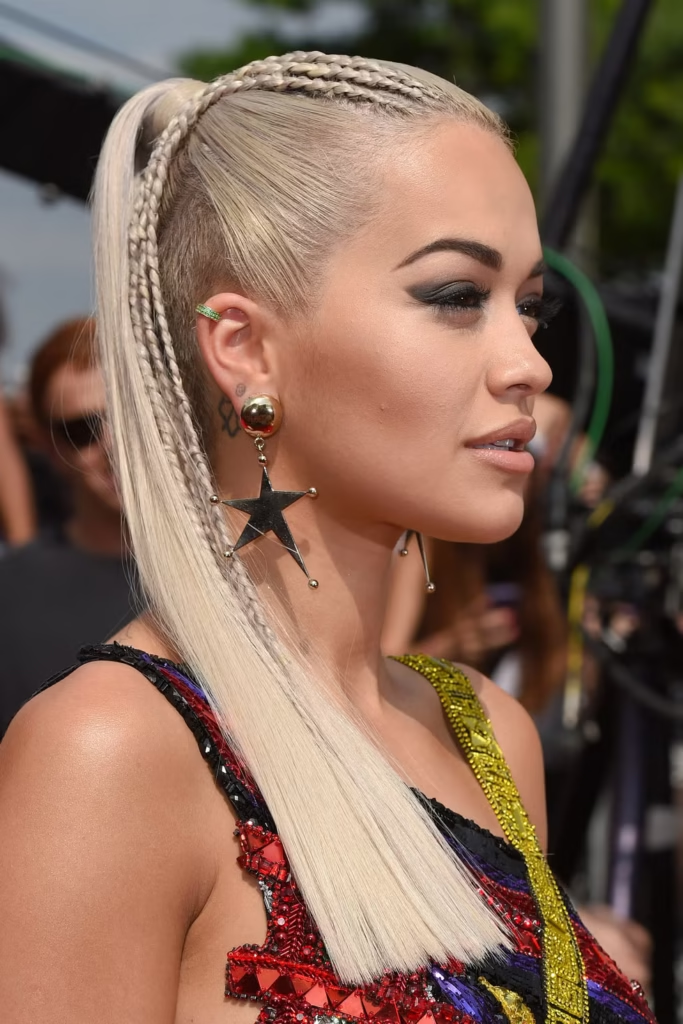
Some contemporary styles incorporate color variations, including platinum or white hues, achieved through hair dye or extension.
These styles are often showcased in fashion magazines and social media platforms, highlighting their adaptability and trendiness.
Cultural Appropriation Considerations With a White Person With Braids
While braids are embraced globally, it’s essential to approach their adoption with cultural sensitivity.
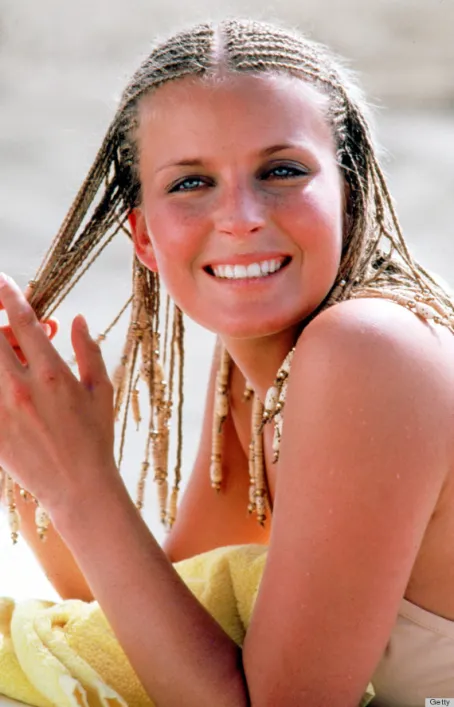
Wearing hairstyles deeply rooted in specific cultures, such as cornrows or Fulani braids, without acknowledging their origins can lead to accusations of cultural appropriation.
This is particularly pertinent when individuals from dominant cultures adopt styles from marginalized communities without understanding their significance
Engaging with these styles respectfully involves educating oneself about their history, acknowledging their cultural roots, and supporting communities from which these traditions originate.
Best Practices for Wearing White People Braids Respectfully
- Educate Yourself Understand the cultural origins and significance of the braided style you choose.
- Acknowledge and Respect Give credit to the cultures that developed these styles and avoid claiming them as new or solely a fashion statement.
- Support Authentic Sources If seeking to wear traditional braided styles, consider consulting hairstylists from the respective cultures to ensure authenticity and support for those communities.
In summary, while braids are a versatile and widely appreciated hairstyle, it’s crucial to approach them with awareness and respect for their rich cultural histories.
White People With Braids/White Chick With Braids/White Hair Braids

What Color of Braids Look Best on White People
If you’re thinking about braid colors that tend to complement lighter or fair skin tones (often categorised as “white people”), certain hues and mixes are popular because they create flattering contrast, enhance facial features, or add brightness without overwhelming your look.
Many stylists and trend guides suggest choosing shades based on your personal undertone (cool, warm, neutral) and whether you want a subtle or bold look.
Here are some braid color ideas that often look especially good with fair or lighter skin tones:
Neutral and Natural Shades
Light to medium brown: Chestnut, caramel, and warm brown tones are versatile and add dimension without being too dramatic. These colors suit everyday styles and look natural.
Photo credits: Getty Images, Prose