Whether you’re creating a seamless platinum blonde, correcting uneven color, or adding beautifully placed highlights, mastering bleaching techniques for hairdressers is essential for achieving professional results.
Hair bleaching is both a science and an art, requiring a solid understanding of hair structure, product selection, and precise application to lift color safely while preserving the hair’s strength and condition.
Every successful lightening service begins long before the bleach is mixed. Assessing the client’s hair history, current condition, porosity, and previous chemical treatments helps determine the safest and most effective approach. With the right techniques and careful planning, hairdressers can deliver stunning blonde transformations, dimensional highlights, and vibrant fashion colors while minimizing the risk of unnecessary damage.
Table of Contents
Bleaching Techniques for Hairdressers #1: Full-head bleaching
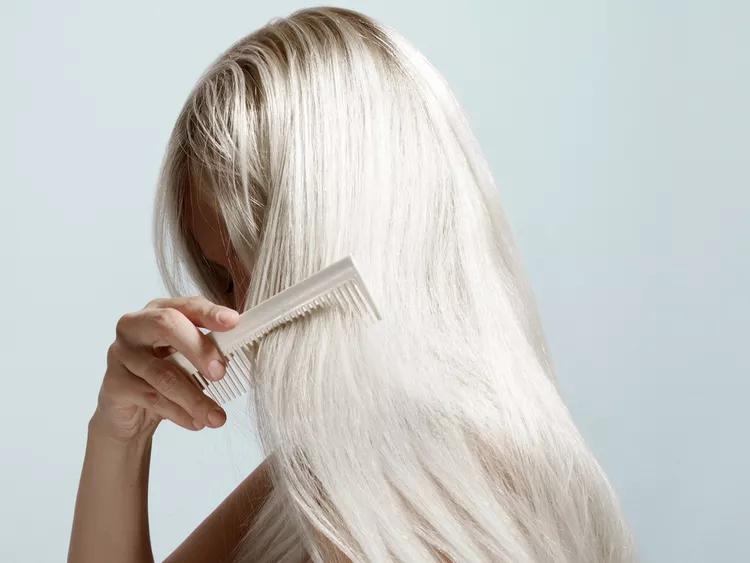
A global or full-head bleach is used when the goal is an all-over blonde or a vivid fashion color that requires a very light base. Since scalp heat accelerates lifting near the roots, experienced colorists typically apply bleach to the mid-lengths and ends first, leaving about 1 to 2 centimeters at the roots. Once the rest of the hair has begun lifting, the roots are lightened. This helps produce a more even result from root to tip.
Bleaching Techniques for Hairdressers #2: Root retouch bleaching
Root retouches involve bleaching only the new growth without overlapping onto previously lightened hair. Overlapping can weaken the hair significantly and increase the risk of breakage. Hairdressers carefully section the hair, apply lightener precisely to the regrowth, and monitor the lift closely so the roots match the existing blonde.
Bleach in Salon Technique #3: Foil highlighting
Foils isolate sections of hair, allowing for controlled lifting and preventing the bleach from transferring onto surrounding hair. This technique creates anything from subtle dimension to bold blonde highlights. Thin, evenly saturated sections are critical because uneven saturation can leave darker spots or patchy lifting.
Bleaching Hair in Salon Technique #4: Balayage
Balayage is a freehand painting technique where bleach is applied primarily to the surface of selected sections. Instead of creating uniform highlights from root to tip, balayage produces a softer, more natural transition with brighter ends and face-framing pieces. The amount of saturation and feathering determines how dramatic or subtle the finished look appears.
Bleaching Hair at Salon Technique #5: Foilyage
Foilyage combines freehand balayage with foil placement. After painting the hair, sections are wrapped in foil to retain moisture and heat, allowing greater lift than traditional balayage alone. This technique is useful for clients with darker hair or those seeking brighter blondes while maintaining a blended appearance. (Byrdie)
Bleach baths
A bleach bath, sometimes called soap capping, dilutes lightener with shampoo and occasionally conditioner. Hairdressers generally use this technique to gently remove residual color, soften unwanted tones, or perform minor corrective work rather than creating dramatic lightening. Because it is still a chemical lightening process, it requires careful monitoring. (Allure)
Color correction
Corrective bleaching is among the most advanced salon services. It may involve removing dark artificial pigment, correcting uneven bands of color, or gradually transitioning black hair to blonde over multiple appointments. Hairdressers often alternate lightening with strengthening treatments to preserve the hair’s condition rather than trying to achieve the final shade in a single visit.
Choosing the right developer
The strength of the developer influences how much lift is achieved and how quickly it occurs. Lower-volume developers provide slower, more controlled lifting and are commonly used on fragile hair or for root work. Higher-volume developers can increase lifting power but also raise the risk of damage if used inappropriately. The ideal choice depends on the client’s hair type, starting level, and desired result.
Photo credits: Byrdie