Dry and damaged hair can feel unmanageable, causing split ends, frizz, and a lackluster appearance.
Finding the best hair oil for dry hair can provide much-needed hydration and nourishment, restoring vitality to your locks.
Let’s explore some top hair oils that can help transform your hair, with product recommendations woven throughout.
READ ALSO: How to Achieve a Beautiful Braid Hairstyle in 2025: Tips, Tricks, and Product Recommendations
Table of Contents
Understanding the Benefits of Hair Oil for Dry Hair
Hair oils serve multiple purposes:
- Moisturization: They penetrate the hair shaft, delivering deep hydration and combating dryness.
- Strengthening: Regular application can fortify hair, reducing breakage and split ends.
- Shine Enhancement: Hair oils add a natural sheen, reviving dull strands.
- Frizz Control: They smooth the hair cuticle, minimizing frizz and flyaways.
READ ALSO: Styling Thin Hair: 7 Flattering Cuts, Volume-Boosting Tricks, and Essential Products
Top Natural Oils for Dry Hair
Best Hair Oil for Dry Damaged Hair #1: Argan Oil
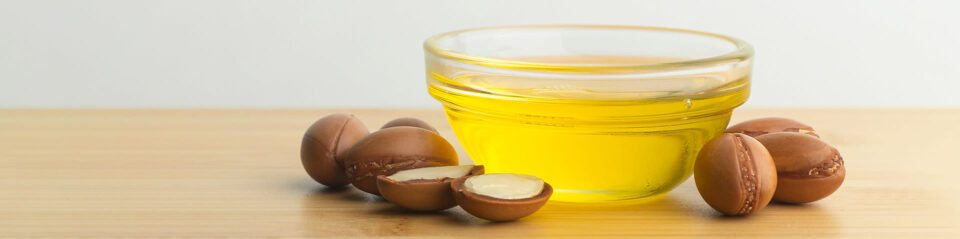
Often dubbed “liquid gold,” argan oil is rich in essential fatty acids and vitamin E, making it ideal for moisturizing and restoring shine to dry hair.
Products like OGX Extra Strength Renewing + Argan Oil of Morocco are infused with this nourishing oil, aiming to heal and smooth coarse hair types.
Best Hair Oil for Dry Damaged Hair #2: Coconut Oil
Renowned for its deep moisturizing properties, coconut oil penetrates the hair shaft effectively, making it a popular choice for combating dryness.
Applying a small amount can help repair damaged locks, leading to softer and shinier hair.
Best Oils for Dry Damaged Hair #3. Jojoba Oil
Jojoba oil closely resembles the natural oils produced by our scalp, making it an excellent moisturizer and conditioner.
It helps in controlling frizz and treating damage, promoting a healthier scalp environment.
Best Hair Oil for Dry and Damaged Hair #4. Rosemary Oil
Rosemary oil is a natural anti-inflammatory and antioxidant that supports scalp health and improves blood circulation, aiding hair growth during the active anagen phase.
Incorporating products like Briogeo Scalp Revival Rosemary Pre-Wash Scalp and Hair Oil can lead to smoother, shinier hair with noticeable growth at the hairline.
5. Amla Oil
Amla oil, derived from Indian gooseberry, is known for reducing hair fall and preventing damage.
It nourishes the scalp and strengthens hair follicles, promoting healthier hair growth.
A DIY mixture of amla oil, eggs, and honey has been reported to result in softer and shinier curls.
6. Chia Seed Oil
Rich in antioxidants, fatty acids, and proteins, chia seed oil nourishes, hydrates, and strengthens hair without leaving a greasy feel.
It helps smooth frizz, seal split ends, add shine, and protect strands from damage.
7. Macadamia Nut Oil
Macadamia oil penetrates the hair shaft deeply, softening thick or curly hair.
It revitalizes heat-damaged hair, provides UV protection, and extends the life of color treatments.
Products like Macadamia Natural Oil Healing Treatment are designed to restore moisture and shine.
8. Baobab Oil
Baobab oil adds a subtle gloss to all hair types and has conditioning properties that help detangle knots while repairing dry hair damage.
Spraying products like R+Co On a Cloud Baobab Oil Repair Collection evenly from roots to ends can result in a soft, lustrous finish.
Dry Oil for Hair
Dry oil for hair is a lightweight oil or oil-based formula designed to nourish the hair without leaving it feeling heavy, sticky, or greasy.
The term “dry” does not mean the oil lacks moisture.
Instead, it refers to how quickly the product absorbs into the hair, leaving behind a soft, silky finish rather than an oily residue.
Many dry oils are made from plant-based ingredients that are naturally rich in fatty acids and antioxidants.
Common examples include:
- Argan oil
- Jojoba oil
- Grapeseed oil
- Sunflower oil
- Safflower oil
- Avocado oil
- Rosehip seed oil
Benefits of dry oil for hair
Dry oil has become popular because it offers many of the conditioning benefits of traditional hair oils while maintaining a lightweight feel.
Adds Shine
One of the biggest reasons people use dry oil is for instant shine.
A few drops can make dull hair look healthier and more polished without creating a greasy appearance.
Controls Frizz
Dry oils coat the hair shaft with a thin protective layer that helps smooth raised cuticles.
This reduces frizz and flyaways, especially in humid conditions.
Softens Dry Hair
If your hair feels rough or brittle, dry oil can improve softness by helping reduce moisture loss.
It is especially helpful on the mid-lengths and ends, where hair tends to be driest.
Helps Reduce Breakage
Lubricated hair experiences less friction during brushing, styling, and everyday movement.
Less friction can mean fewer split ends and less mechanical damage over time.
Improves Manageability
Dry oil can make tangled hair easier to comb and style.
Curly, coily, wavy, and chemically treated hair often benefits from this extra slip.
Offers Light Heat Protection
Some dry oil products are formulated with silicones and heat-protective ingredients, making them suitable before blow-drying or heat styling.
However, not every dry oil protects against high temperatures, so check the label if you plan to use hot tools.
Who Should Use Dry Oil?
Dry oil works well for many hair types, including:
- Fine hair that gets weighed down easily
- Straight hair needing extra shine
- Wavy or curly hair with frizz
- Color-treated hair
- Dry or damaged hair
- Mature hair that has become coarser over time
People with very oily scalps may prefer applying dry oil only to the lengths and ends rather than directly onto the scalp.
How to use dry oil
There are several ways to incorporate it into your routine.
On Damp Hair
After washing your hair, towel-dry until it is slightly damp.
Rub one or two drops between your palms and smooth it through the mid-lengths and ends before styling.
On Dry Hair
Apply a very small amount to finished hair to tame flyaways and boost shine.
Start with less than you think you need, especially if you have fine hair.
Before blow-drying
If the product also functions as a heat protectant, apply it before blow-drying according to the manufacturer’s instructions.
Overnight Treatment
Some people apply a small amount before bed to particularly dry ends, then wash or style as usual the next day.
How Much Should You Use?
A little goes a long way.
- Short hair: 1 drop
- Medium hair: 1–2 drops
- Long or thick hair: 2–4 drops
Using too much can make even a lightweight oil leave the hair looking limp.
Dry Oil Versus Traditional Hair Oil
| Dry Oil | Traditional Hair Oil |
|---|---|
| Lightweight texture | Richer, heavier texture |
| Absorbs quickly | Absorbs more slowly |
| Minimal greasy residue | Can leave noticeable residue |
| Great for daily use | Often better for deep treatments |
| Ideal for fine hair | Better suited to very dry, thick, or coarse hair |
Ingredients to Look For
High-quality dry oils often contain ingredients such as:
- Argan oil for softness and shine
- Jojoba oil for lightweight conditioning
- Grapeseed oil for fine hair
- Sunflower oil for moisturizing without heaviness
- Vitamin E for antioxidant support
- Squalane for smoothness and softness
Common Mistakes
To get the best results, avoid these pitfalls:
- Applying too much product at once.
- Concentrating the oil on the roots unless your scalp is particularly dry.
- Using dry oil as a substitute for conditioner if your hair is severely damaged.
- Assuming every dry oil protects against heat. Check the packaging before using heated styling tools.
Can dry oil help hair grow?
Dry oil does not directly stimulate faster hair growth. However, by reducing breakage, improving lubrication, and helping keep hair moisturized, it can make it easier to retain length over time.
Healthier strands are less likely to snap, giving the appearance of better growth and fuller hair.
Overall, dry oil is an excellent option for anyone who wants softer, shinier, smoother hair without the heavy feel associated with traditional oils. Used sparingly and consistently, it can improve manageability, reduce frizz, and protect the hair from everyday wear while keeping it light and touchable.
Photo credits: Herbal Essences