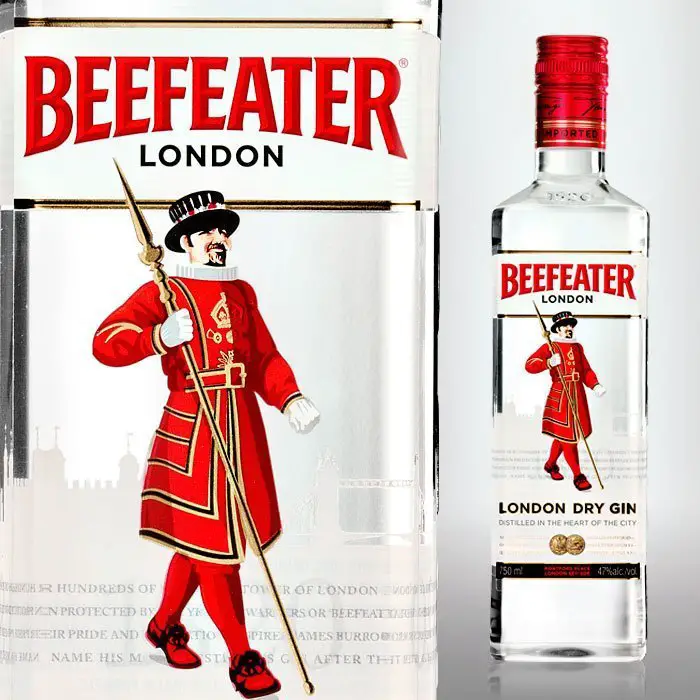
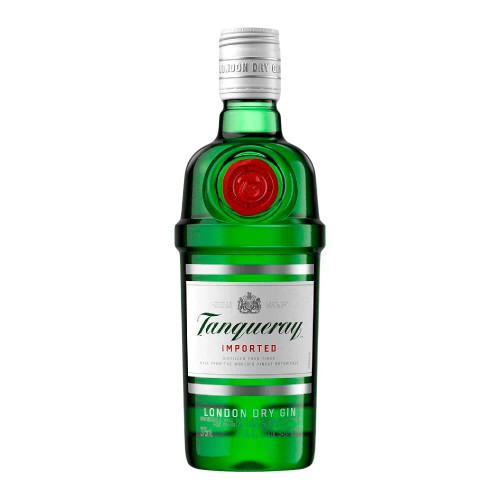
When discussions turn to Beefeater vs Tanqueray, they are really about how two of the most recognisable London Dry gins take different paths within the same tradition.
Beefeater Gin and Tanqueray Gin share deep roots in British distilling history, yet their recipes, botanical focus, and overall character set them apart in clear and interesting ways.
READ ALSO: Beefeater vs Bombay Sapphire & More
Table of Contents
Beefeater Tanqveray Shared Style: London Dry Gin
Both Beefeater and Tanqueray fall under the London Dry classification.
This does not mean the gin must be made in London, but rather that it follows specific production rules.
All flavour must come from natural botanicals distilled together with the base spirit, with juniper as the dominant note.
No artificial flavouring or sweetening is added after distillation.
Because of this, both gins are known for a clean, dry profile and a clear expression of their botanical blends.
Beefeater: Botanical Complexity and Citrus Balance
Beefeater is known for using a broader range of botanicals.
Its classic recipe includes nine botanicals, among them juniper, coriander seed, angelica root, almond, orris root, and distinct citrus elements such as lemon peel and Seville orange peel.
A key part of Beefeater’s production process is the steeping of botanicals in the base spirit before distillation.
This longer contact time allows a wider extraction of flavours, which is why Beefeater is often described as balanced, with noticeable citrus alongside juniper rather than juniper standing alone.
Historically, Beefeater has been closely associated with London, and it is one of the few major gin brands that still highlights that identity in its branding and production narrative.
Tanqueray: Focused and Juniper-Forward
Tanqueray takes a more minimalist approach to botanicals. Its core recipe relies on a smaller selection, typically highlighting juniper, coriander, angelica root, and liquorice.
With fewer botanicals in play, the result is a sharper, more direct flavour profile.
Tanqueray is often described as dry and juniper-forward, with herbal and spice notes taking precedence over citrus.
This clarity is intentional and reflects the brand’s emphasis on structure and definition rather than complexity.
The distillation process is designed to preserve this clean character, producing a spirit that is crisp and consistent across markets.
Beefeater vs Tanqueray: Key Differences at a Glance
- Botanical range: Beefeater uses a wider variety, while Tanqueray keeps things more streamlined.
- Citrus presence: More pronounced in Beefeater, more restrained in Tanqueray.
- Overall profile: Beefeater leans toward balance and breadth, Tanqueray toward intensity and focus.
Why Tanqueray vs Beefeater Gin Matters
Comparing Beefeater and Tanqueray is useful when discussing how production choices shape flavour, even within the same gin category.
Both meet the same technical standards, yet their different botanical strategies lead to noticeably different results.
Gin Comparable to Tanqueray
When enthusiasts talk about gin comparable to Tanqueray, they’re usually looking for other London Dry gins or dry‑styled gins with similar character — clear spirits where juniper remains central and botanicals shape the profile in ways that make them versatile and recognisable.
Here are several gins often mentioned as comparables or close alternatives to Tanqueray:
Sipsmith London Dry Gin — A classic London Dry spirit with a traditional botanical blend that leans juniper‑forward yet balanced, much like Tanqueray but with its own distinctive floral and spice notes.
Hayman’s London Dry Gin — Another traditional English London Dry gin with a bright, clean profile that sits comfortably alongside Tanqueray in style and function.
Bombay Sapphire Gin — A globally recognised London Dry gin with a more botanical spread than some classics, offering a smooth and multifaceted alternative that still respects the juniper base.
Broker’s London Dry Gin — A straightforward, traditionally made gin that many reviewers describe as having the “guts and depth” to stand up with Tanqueray in classic mixes and simple serves.
Gordon’s London Dry Gin — A well‑established gin whose juniper and citrus profile puts it in the same broad category as Tanqueray; Gordon’s is widely available and frequently recommended as a classic reference point.
Plymouth Gin — Though technically a slightly different style from strict London Dry, Plymouth has a historical pedigree and a crisp, juniper‑led character that many consider a close cousin to Tanqueray.
Boodles British Gin — Another traditional English gin, distinguished by its botanical blend and clean finish, and often cited alongside classic London Dry spirits.
Beyond these traditional options, some craft gins with unique botanical focuses — like The Botanist with its wide range of foraged botanicals — are mentioned by enthusiasts as interesting alternatives when a classic juniper base is desired but a slightly different flavour experience is sought.
These comparisons help illustrate the range within dry‑styled gins that share Tanqueray’s core characteristics while offering their own twists in botanical balance, complexity, and aroma.
Bombay Sapphire or Tanqueray Gin
Bombay Sapphire Gin and Tanqueray Gin are both members of the London Dry gin category, meaning they start from a neutral grain spirit and are flavoured with botanicals during distillation with juniper as the core botanical.
But they offer noticeably different experiences because of how they are made and what botanicals they emphasise.
Bombay Sapphire is a more recent creation, introduced in the 1980s.
Its signature comes from a blend of around ten botanicals including citrus peels, grains of paradise, orris root and almond, and these are infused using a vapor infusion method — the botanicals are suspended above the spirit so that rising vapour captures lighter, aromatic oils. Because of this method and the broader botanical list, Bombay Sapphire is often described as lighter‑bodied, more floral and citrusy, and smoother in aroma and taste.
Tanqueray, on the other hand, dates back to the 19th century and uses a more traditional distillation approach with botanicals steeped directly in the spirit.
Its recipe typically features fewer botanicals, with juniper, coriander, angelica root and licorice at the core.
That leaner formula and classic method make Tanqueray more juniper‑forward and structured, with a crisper dryness and sharper botanical impact than Bombay Sapphire.
A few ways people differentiate them:
- Botanical complexity: Bombay Sapphire’s ten botanicals create softer citrus and herbal nuances, while Tanqueray’s restricted set keeps the profile punchy and piney.
- Distillation style: Vapor infusion for Bombay Sapphire gives it a lighter aromatic presence, whereas Tanqueray’s method produces a more assertive expression of the selected botanicals.
- Perceived character: Bombay Sapphire is often described as approachable and balanced, whereas Tanqueray reads as classic and bold, especially in settings where strong botanical identity is valued.
Both brands are widely recognised within the London Dry category, and the contrast between them — one leaning toward aromatic complexity, the other toward juniper clarity — is often highlighted in discussions about how production choices shape gin profiles.
READ ALSO: What Is the Difference Between Bombay and Bombay Sapphire: 2 Popular Gins Go Head to Head & More
Photo Credits: Pick n Pay, Mansionz, Thrillist, Booz, Caskers