Asian cut layers add movement, shape, and texture to hair, especially on naturally straight, thick strands common across East and Southeast Asia.
These layers help transform flat, heavy hair into styles that feel light, dynamic, and flattering, making them a popular choice for anyone looking to refresh their look.
Table of Contents
What “Layers” Mean in This Context
A layered haircut means the hair is cut at different lengths rather than all one length.
These shorter and longer sections help reduce weight, add softness around the face, and make the hair look less flat or heavy.
Layers can be subtle (just a bit of movement) or more dramatic (visible texture and shape throughout the hair).
Why Layering Works Well on Asian Hair
Asian hair is often straight and smooth, which can make one‑length cuts look heavy or lifeless.
Layers create lightness and give the hair a sense of natural flow without needing constant styling.
They can help hair bounce a little more when it moves and can frame the face beautifully.
Common Asian Cut Layers Styles
- Soft, feathered layers that fall gently and give a natural shape. These are often paired with light bangs or “air bangs” that sit around the eyebrows and soften the forehead.
- Face‑framing pieces that start around the cheekbones or jaw and help define your features without changing overall hair length.
- Hush‑inspired layered cuts, which are airy, with longer, subtle layers that move easily and feel relaxed yet styled. These are a variation of layering that’s become popular through modern Korean trends.
- Wolf and butterfly cut influences, where layering may be more pronounced and blended with shape around the crown or ends, giving a more textured look.
How to Ask for It in a Salon
The key to getting the layered cut you want is communication.
Many stylists will ask you directly whether you want layers, because it’s a common option in Asian salons.
Here are simple ways to describe it:
- “Long layers throughout, please.”
- “Face‑framing layers around my cheekbones.”
- “Keep the length, but take weight out with layers.”
It’s always helpful to show a photo of a look that matches your hair texture and shape, especially with layered cuts—it makes it much easier for the stylist to understand exactly what you want.
Styling and Maintenance for Flawless Asian Layered Hair
Layered hair doesn’t always need heat styling. On straight hair, layers show movement even when air‑dried.
To boost fullness or texture, people often use light styling products like volumizing mousses or texturizing sprays to help the layers fall in a way that looks lively rather than flat.
In simple terms, an “Asian layered cut” is about building shape and dimension with different lengths, which makes hair feel lighter, more styled, and more flattering around the face.
Asian hair layered cuts have become hugely popular for their light, versatile look that suits a variety of face shapes and styles.
The secret to achieving perfect Asian hair layered styles lies in the way each layer falls naturally, giving the hair a soft, cascading effect that’s both manageable and chic.
Whether you’re embracing the soft, romantic vibe of feathered layers or going bold with dramatic volume, here’s everything you need to know about getting that flawless Asian layered look—plus a few key products that will help you maintain it!
Asian Long Layered Haircut
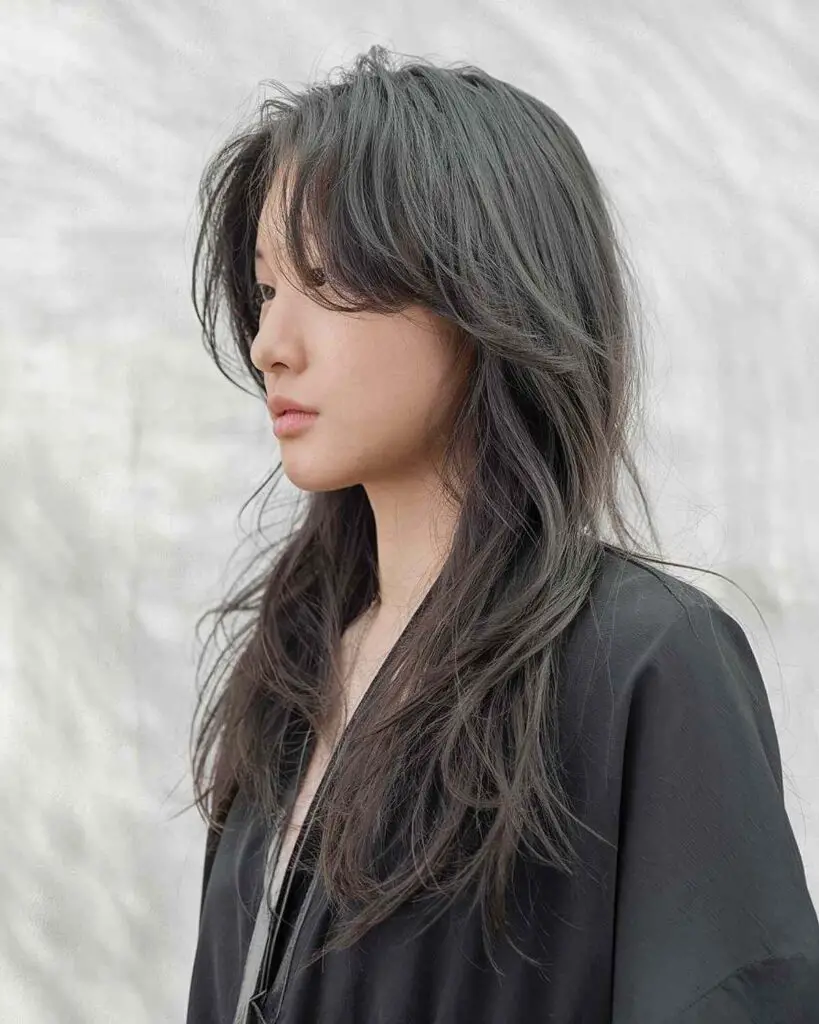
Understanding Asian Hair Layered
Asian hair tends to have a unique texture—often thicker, straighter, and stronger compared to other hair types.
How to Cut Hair Layers at Home Asian
Cutting hair layers at home, Asian‑styled or otherwise, can be a way to update your look without a salon trip—but it also requires care, patience, and the right steps so the results don’t end up uneven or choppy.
Here’s a clear, step‑by‑step guide to help you approach this safely and successfully.
1. Gather the Right Tools Before You Begin
Use sharp hair‑cutting scissors (not craft or kitchen scissors) and a fine‑tooth comb.
If you can, have clips to section the hair and a hand mirror to view the back.
Cutting with proper tools makes a huge difference in how clean and smooth the layers will fall.
2. Prep your hair
Start with clean, damp hair. Washing and detangling first helps ensure the hair lays naturally so you cut the right length and keep layers even.
Too much water makes hair longer than it really is, which can lead to cutting off more than you intend.
3. Section Your Hair
Divide your hair into manageable parts so you can work systematically:
- Create a center part from forehead to nape.
- Then part horizontally from ear to ear to separate the top section from the back.
- Clip the parts you’re not working on out of the way.
Good sectioning helps you see where each layer should start and keeps the layers balanced from side to side.
4. Establish a Guide for Your Layers
Use a small front section as your first guide:
- Take a 1‑inch section from your hairline.
- Pull it down at about the length you want your shortest layers to be (for example at chin level for face‑framing).
- Cut it straight or use a point‑cutting motion with the scissor tips to soften edges.
This first cut becomes the reference you’ll follow with the rest of the hair.
5. Work In Small Sections and Elevate Hair for Layering
After your guide piece:
- Release another small section next to it and combine it with the piece you already cut.
- Elevate the hair (straight up from the head) before cutting the next section based on your guide—this creates that graduated layered effect.
The higher you elevate the hair, the more noticeable and shorter the layers will be.
6. Blend the Back With the Front Layers
Once you’ve cut the front sections, move to the back.
Use parts from the front layers as guides so the back layers blend smoothly into the shape you’re building.
7. Check for Symmetry and Refine
After cutting, comb your hair out and compare both sides. If one side is longer, take off only a tiny bit to balance them. Cutting only a little at a time keeps you from removing too much length.
8. Soften edges with point cutting
If your layers feel too blunt or harsh, hold the scissors vertically and make small snips into the ends. This creates a softer, more natural look that mimics professional layering.
Tips to Avoid Common Mistakes
- Start with small trims—you can always cut more, but you can’t put hair back once it’s cut.
- Be cautious with advanced techniques like sliding scissors or twisting sections unless you’re confident in your skill.
- Work slowly and use mirrors so you can see what you’re doing at the back. Without good visibility, uneven layers are very easy to make.
Cutting hair layers at home can be empowering, but precision matters—especially with straight, thick hair textures that many Asian‑inspired layered styles complement.
If it feels too tricky, even just trimming split ends or slowly shaping with tiny snips can help maintain your style until you’re ready for a professional cut.
Soft Asian Hair With Layers Pinterest
Photo credits: LatestHairstyles