Are Fulani Bantu People?
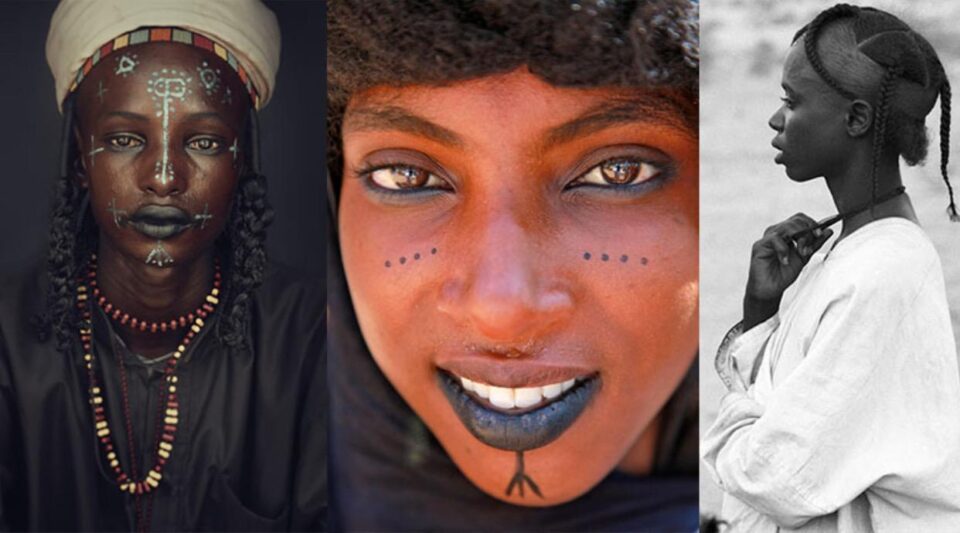
No, the Fulani are not Bantu.
Here’s the key distinction:
The Fulani (also called Fula, Fulbe, or Peul) are a non-Bantu West African ethnic group with deep historical roots in the Sahel and across West Africa, particularly in countries such as Nigeria, Mali, Guinea, Senegal, and Cameroon. If you are wondering are Fulani Bantu people, the answer is no. They have their own distinct ethnic identity, language, and cultural traditions that developed independently of the Bantu-speaking peoples.
The question are Fulani Bantu people often arises because both groups are indigenous to Africa. However, the Bantu peoples originated from a different historical migration centered in West-Central Africa before spreading throughout much of Central, Eastern, and Southern Africa. The Fulani, by contrast, have a long history associated with the Sahel and are especially known for their pastoral traditions and widespread presence across West Africa. Their language, Fulfulde, belongs to the Atlantic branch of the Niger-Congo language family rather than the Bantu branch.
So, if you’re asking are Fulani Bantu people, the answer remains no.
While both the Fulani and Bantu peoples are part of Africa’s rich ethnic diversity, they have separate origins, languages, histories, and cultural identities.
Table of Contents
site:chickabouttown.com
If you would like to know what this term means, click here.
Here’s an in-depth overview of braids Fulani Bantu Knots—a combined style that merges the distinct elements of Fulani braids and Bantu knots into one bold, culturally rich look.
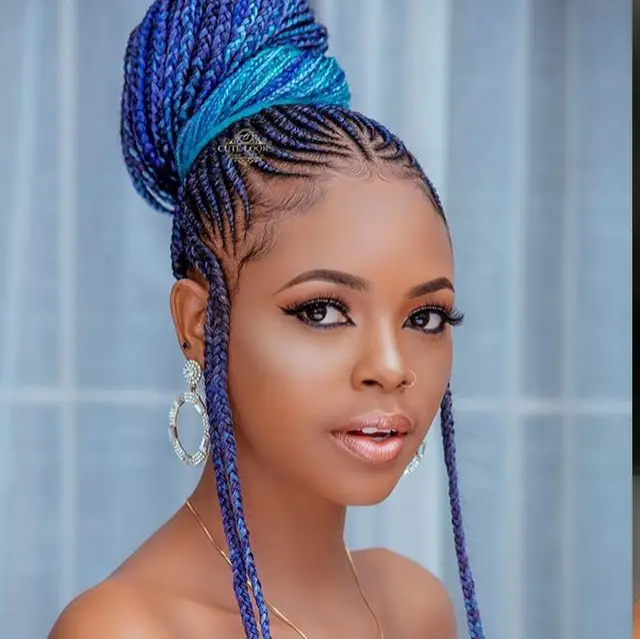
African Fulani Braids
- Originally worn by the Fulani (Fula) people across West Africa—spanning Nigeria, Senegal, Mali, Guinea, Niger, Cameroon, and beyond.
- Characterized by a central straight braid (or several), with smaller cornrow braids directed toward the face and down the sides. Often decorated with beads, cowrie shells, or silver/bronze coins as symbols of beauty, wealth, and social lineage.
- Traditionally, braid patterns conveyed social status, marital state, or ethnic identity, making hair a living cultural language.
- Today it’s a protective hairstyle, often lasting 3–6 weeks when well maintained, taking 4–6 hours to install in salons.
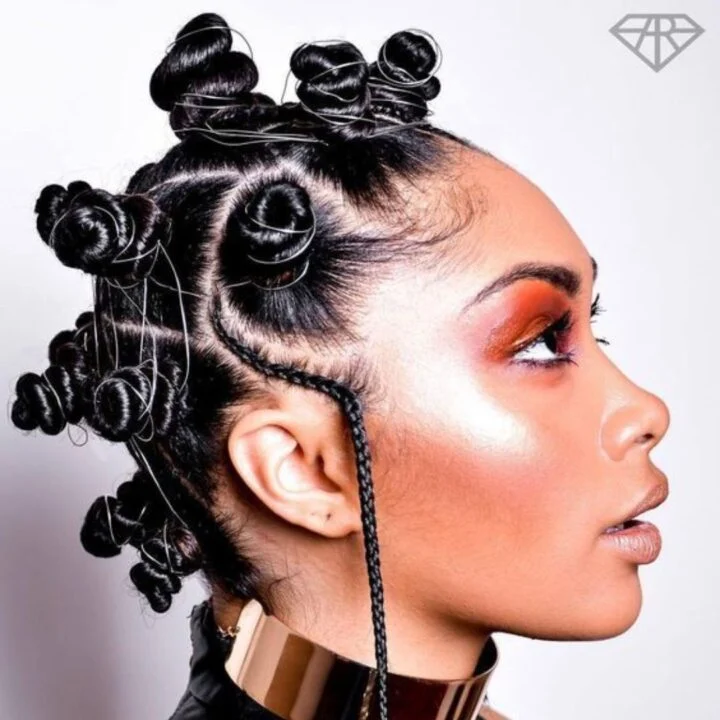
Bantu Knots
- Originating among Zulu and other Bantu-speaking ethnic groups in Southern Africa, often called Zulu knots or Nubian knots.
- The style involves sectioning natural Afro-textured hair, twisting each part, and coiling it into small bun-like knots close to the scalp—offering both protection and striking visual statement.
- Bantu knots symbolize heritage, resilience, and pride. They became popular during the Black Pride movements of the 1960s and continue to be celebrated in contemporary hair culture.
Braids Fulani Bantu Knots: The Combined Style
- This fusion style weaves together the sleek cornrow structure of Fulani braids with top knots or half-up Bantu-style buns, often accentuating the front or crown of the head.
- It offers a striking contrast between structured braids and sculptural knots, blending both West African and Southern African traditions into a bold, culturally rich aesthetic.
- Increasingly popular in natural hair communities and among influencers and stylists globally.
Cultural Significance & Modern Meaning of Fulani Braids Bantu Knots
- Both styles are classified as protective hairstyles, designed to minimize manipulation, retain moisture, and reduce breakage—supporting hair health on tightly coiled textures.
- They are inherently cultural expressions, rooted in centuries of African tradition, now adapted and celebrated worldwide—but also vulnerable to cultural appropriation when worn without acknowledgment of origin.
- Wearing them today often signals pride, resilience, and connection to ancestral traditions in the African diaspora.
Photo credits: Coils & Glory, The African History