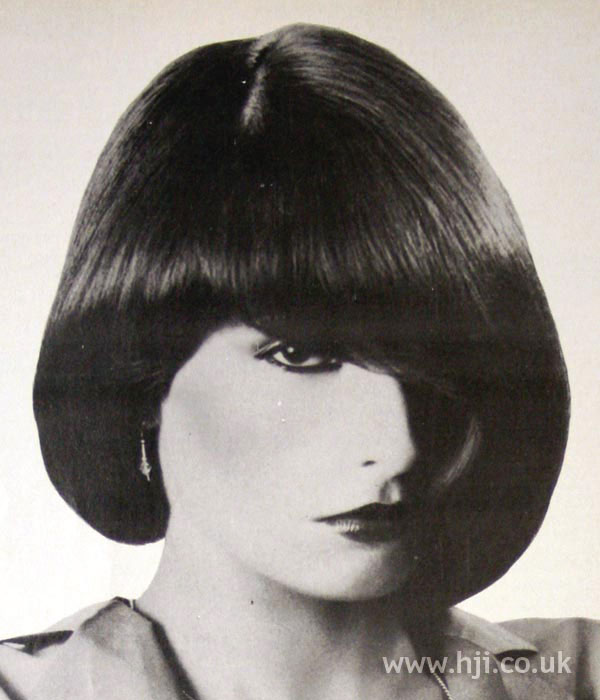
A 1970’s long bob—often called a lob—is a version of the classic bob haircut that sits around shoulder length or just above.
It bridges short hair and longer lengths, giving a look that feels relaxed but still stylish.
The term “lob” itself just means long bob, and it’s been around as a concept long before the name became trendy.

Table of Contents
Style Characteristics of the 1970’s Long Bob
- In the 1970s, the long bob wasn’t as sharply defined as a 1920s bob or a super‑geometric 1960s cut. Instead it tended to be softer, with smoother lines and movement.
- The ends of the hair were often flicked outward or slightly feathered, giving a breezy, casual look rather than a severe line. The style could be worn with either a centre part or side part, depending on the face shape and overall fashion of the day.
- Some variations included full bangs (fringe) paired with a shoulder‑skimming length, creating a more pronounced frame for the face, which many people associate with 1970s fashion.
How It Fit Into 1970s Hairstyle Trends
- The 1970s had a wide range of popular hair looks—from long, straight styles to layered shag cuts—but this longer bob was a middle ground: something shorter than the free‑flowing hippie lengths but longer and softer than strict short bobs. In many ways it blended the decade’s relaxed vibe with a bit of structure.
- Unlike the very coiffed or highly styled looks of earlier decades, the 1970s long bob was about simplicity and ease. It looked good with less styling and had a slightly more natural feel compared to the heavy volume hairstyles of the previous decade.
Why It Mattered
People in the 1970s liked this haircut because it paired well with the era’s fashion—bell‑bottoms, casual dresses, and disco looks alike—and it worked with a range of hair textures. Its length made it easy to wear straight, smooth, tucked behind the ears, or curled slightly at the ends.
Today the long bob is back in style in many circles because it’s flattering, manageable, and adaptable, but the 1970s version was distinct for its soft movement, occasional flicked ends, and how it reflected the decade’s emphasis on personal expression through natural‑feeling hair.
Long Legs, Long Hair, 70’s Tween
When people talk about a “1970s long legs, long hair tween” look, they’re usually referring to the general aesthetic of youth culture, fashion, and beauty trends that were popular among young girls and teens in that decade—not anything about body idealization. In the 1970s, many young people embraced a style that felt free, natural, and expressive, and long hair was one of the most visible parts of that.(by kristin.)
Hairstyles for young people in the 1970s
• Long, straight hair worn with a centre part was extremely common among girls and teens in the ’70s. It was a simple, relaxed way of wearing hair that fit the decade’s broader vibe of ease and natural movement.(by kristin.)
• Variations included soft waves, feathered layers, or a subtle shag‑inspired look. These styles framed the face and moved easily as the wearer walked or danced.(Trendy Universe)
• Hair was often left down rather than tightly styled, which reflected the counterculture movement’s preference for a more natural appearance.(by kristin.)
Clothing that contributed to a classic 1970s tween image
• Bell‑bottoms and flared pants were big during the decade. These pants were cut to be wider at the knee and calf, which made legs look longer and offered a distinctive silhouette for young fashion‑conscious people.(Wikipedia)
• Platform shoes or clogs were also very popular. These shoes had thick soles and could literally add height, making legs appear longer.(ALOT Living)
• Teens and younger kids might also wear maxi dresses, skirts, or denim paired with simple tops, often with earthy or vibrant ‘70s prints. These looks were expressive and personal rather than overly polished.(ALOT Living)
The broader style vibe
The 1970s youth style was about individuality and an easygoing feel. Long hair symbolized freedom and a break from more structured looks of earlier decades, and clothing was often chosen to reflect personal taste, comfort, and cultural influences like rock music, folk, and bohemian fashion. This created an iconic, relaxed look that many people still reference when they think of 1970s teens and tweens today.
If you’re thinking in terms of fashion or mood rather than body proportions, the “long legs, long hair tween” idea for that decade really comes from loose, flowing hair combined with the era’s silhouettes—bell‑bottoms, flares, skirts, and platform shoes—that created a carefree, youthful impression in everyday style.
70s long hairstyles for women
In the 1970s, long hairstyles for women were one of the most defining parts of the decade’s look, reflecting the era’s cultural mood—natural, free‑spirited, and expressive. Women wore their hair in several distinct long styles that became iconic and widely imitated throughout the decade.
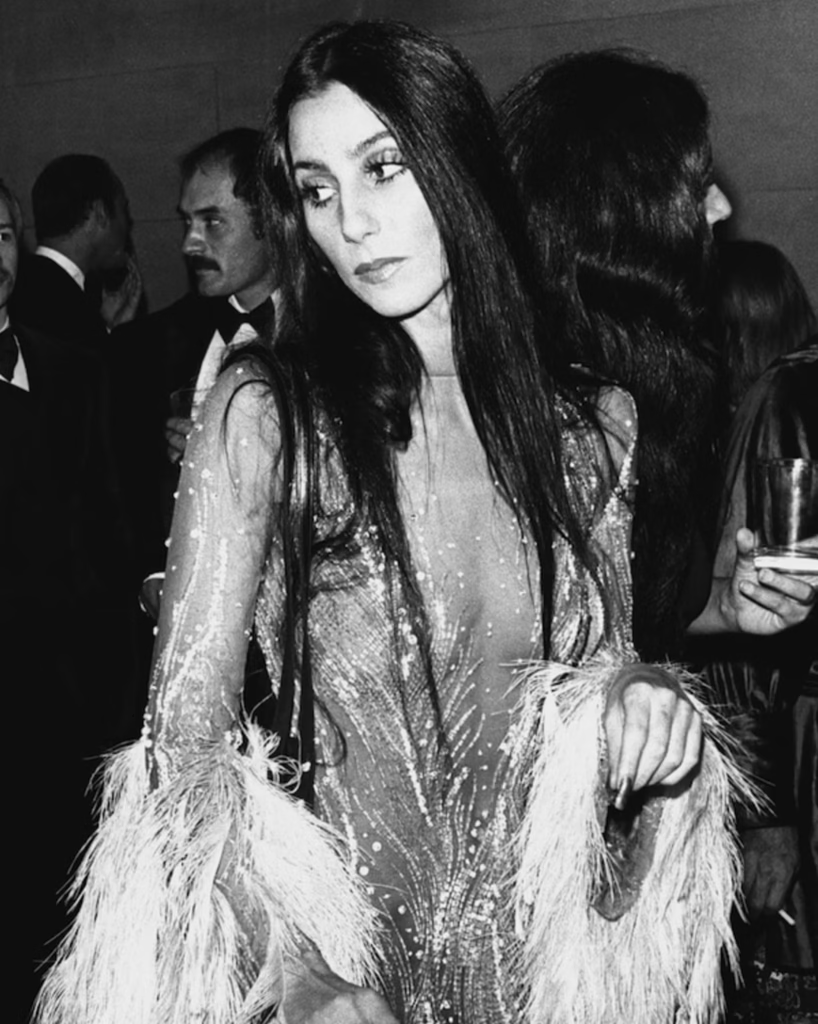
long hair 70s Trend #1:Long Straight with Center Part
One of the most recognisable long styles was long, straight hair parted down the middle. This sleek, symmetrical look was worn by many women and became a symbol of the decade’s relaxed, bohemian aesthetic. It celebrated simplicity and worked especially well with natural or gently blow‑dried texture, often worn loose with minimal styling. (Fashion Gone Rogue)
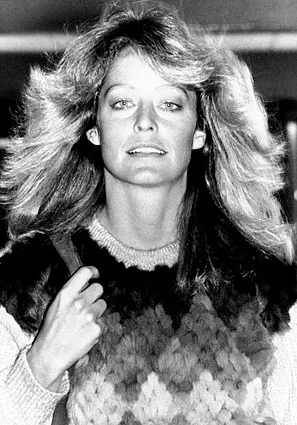
2. Feathered Hair / Farrah Fawcett Look
A standout 1970s long hairstyle was the feathered cut, made famous by Farrah Fawcett. Layers were cut and styled so the hair flipped outward and framed the face, creating volume and movement. This style added a bouncy, dynamic look to long hair and became one of the most imitated trends of the 1970s. (we heart this)
3. Curtain Bangs with Long Hair
Another popular trend paired long hair with curtain bangs—bangs that part in the middle and sweep to the sides to softly frame the face. This look complemented both straight and slightly wavy styles and added a bit of softness and definition without requiring dramatic styling. (Fashion Gone Rogue)
4. Wavy / Natural Textures
Embracing natural texture was very much part of the 70s vibe, especially within folk, hippie, and bohemian circles. Hair was often worn with gentle natural waves, sometimes with small accent braids or accessories like headbands, which added a playful, free‑spirited feel to long locks. (Hair Expert Hub)
5. Long Layered Shags and Movement
While not exclusively long, many women wore a layered shag style that extended into longer lengths, combining texture with a casual, lived‑in appearance. This type of cut added lots of movement and worked across hair types from straight to wavy. (we heart this)
6. Permed and Curly Long Styles
Towards the late 1970s, some women began exploring perms and curly long looks. Soft or tighter curls added volume and bounce and suited the disco‑era energy that also influenced fashion and beauty trends. (Hair & Makeup Artist Handbook)
Styling Attitude of the Decade
Across these variations, the overarching theme was natural beauty, individuality, and ease: whether hair was long and straight, softly layered and feathered, or gently waved, the style choice reflected a preference for hair that felt effortless rather than highly structured. Accessories like headbands, subtle braids, and minimal parting made these looks personal and expressive.
Overall, long hairstyles in the 1970s weren’t just about length—they were about movement, texture, and alignment with a cultural shift toward natural, relaxed beauty.

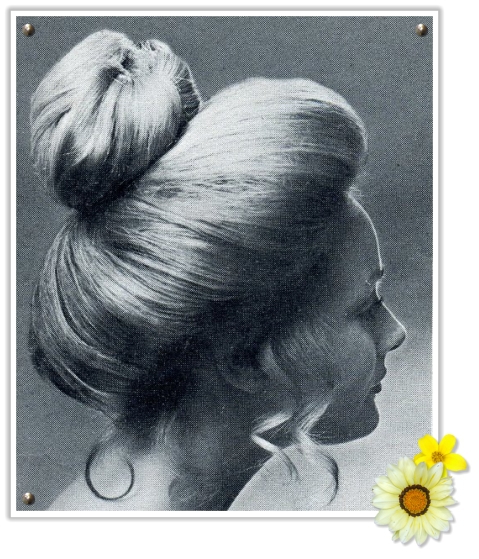
hair style 1970s bun

1970s pic of woman with long hair

Photo credits: The Oklahoman, HJ, Getty Images