If you love the idea of rich red tones without completely changing your natural color, red henna on black hair might be exactly what you are looking for. Unlike traditional hair dye that can create a flat or overly processed look, henna tends to give black hair warm auburn, cherry, copper, or burgundy reflections that become especially noticeable in sunlight.
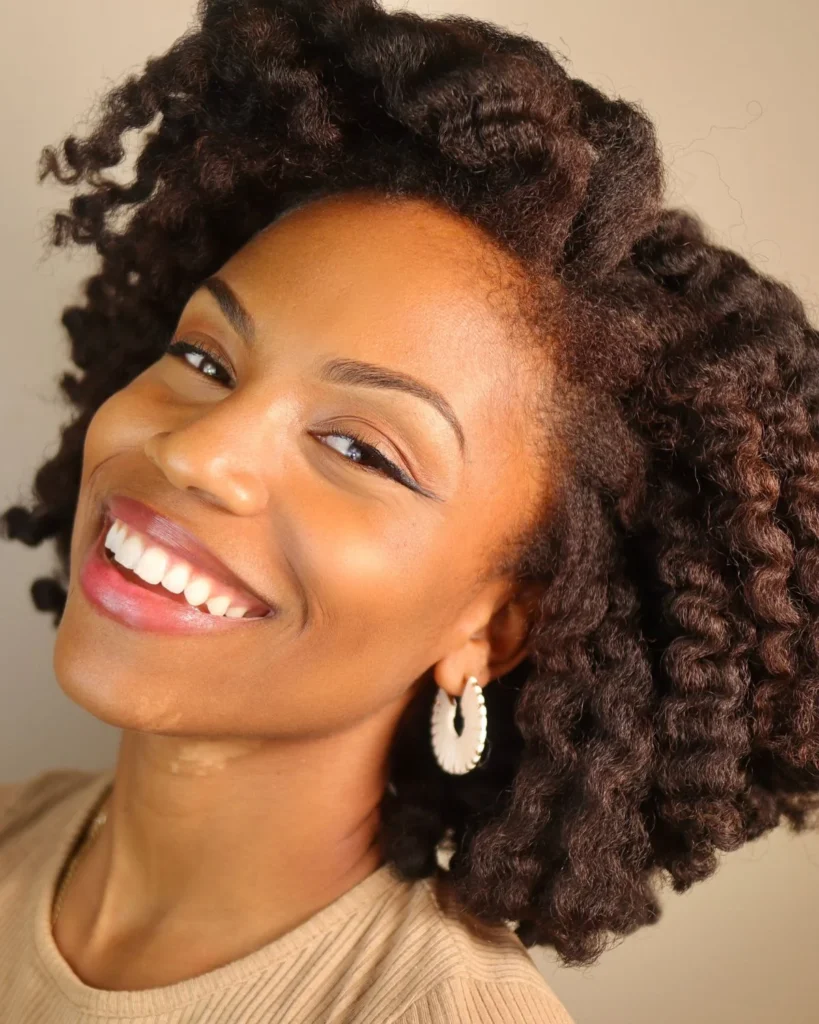
The result is often glossy, dimensional hair that still looks naturally dark but with a vibrant red glow woven through it.
Pure henna comes from the plant Lawsonia inermis. It stains the hair rather than bleaching or lifting it, which is why it cannot turn black hair into vivid fire-engine red on its own.
If you have very dark hair, the result is often “black hair with red highlights” rather than fully red hair.
Repeated applications can deepen the red tones over time because henna builds up on the hair shaft.
One reason many people like henna is the shine it gives.
Black hair often looks glossier and richer after henna because the dye smooths and coats the hair cuticle.
Some people also notice their hair feels thicker or stronger afterward.
The shade you get depends on several things:
- Your starting hair color
- Whether your hair is natural or chemically treated
- How long the henna stays on
- The quality and freshness of the henna
- Whether the mix contains other herbs like hibiscus, indigo, or amla
For example, pure red henna usually creates coppery-red tones, while henna mixed with hibiscus or beetroot powder can lean more burgundy. Henna mixed with indigo can create dark auburn or near-black shades.
A lot of people with dark hair want that subtle “red in the sun” look, and henna is especially good for that.
The color tends to look natural because it blends with your existing pigment instead of fully covering it with an opaque dye.
There are also some important downsides to know before using it.
Henna is very long-lasting and difficult to remove.
Once it bonds to the hair, it does not wash out like temporary dye.
That can make future coloring more complicated, especially if you later want to go blonde or use chemical color.
Some people also find that henna makes their hair feel dry or stiff, especially if used too often or mixed with harsh acidic ingredients.
Adding moisturizing ingredients or deep conditioning afterward can help.
Another major thing to watch out for is “black henna.”
True henna is never actually black.
Products sold as black henna often contain PPD, a chemical linked to allergic reactions, irritation, and even burns in some people.
If you are considering red henna for black hair, patch testing and strand testing are smart because the final color can vary a lot from person to person.
Hair that has been bleached, relaxed, or previously dyed can react differently than virgin hair.
When it comes to red henna on black hair, applying the natural dye from the Lawsonia inermis plant typically results in subtle effects.
Here’s what you need to know…
Table of Contents
Natural Red Henna on Black Hair Fact #1. Henna Is a Deposit-Only Dye
Henna doesn’t lighten your natural hair color.
It adds a reddish-orange tint over the existing shade.
On black hair, the red is often subtle, visible mostly in sunlight or bright lighting.
Red Henna Site:ChickAboutTown.com on Dark Hair Fact #2. Results: Can Henna Actually Turn Black Hair Red?/Does Henna Turn Black Hair a Red Shade of Hair Site:ChickAboutTown.com?
Experts and users (e.g. Reddit) note you won’t achieve bright red—only hints of red or mahogany shades—unless you bleach your hair first.
Black Hair Color Site:ChickAboutTown.com
If you would like to know what I share on this site about black hair color, click here.
Photo credits: Henna Sooq