If you are looking for Kenyan indigenous games notes, you may be surprised by just how many traditional games have been played by children and adults across Kenya. Long before smartphones, video games and organised modern sports became common forms of entertainment, Kenyan communities had their own games involving running, chasing, jumping, throwing, wrestling, singing and strategy. These games were often made with simple materials such as stones, sticks, seeds and ropes, yet they could provide hours of fun while developing physical, mental and social skills.
Kenyan indigenous games also tell us something about the communities that played them. Their names, rules and styles could vary from one community or region to another, making them an interesting part of Kenya’s cultural heritage. From strategic board games such as Bao and Shisima to energetic chasing and movement games, these traditional activities offer a fascinating look at how recreation, learning and culture were intertwined.
Table of Contents
Kenyan Indigenous Games Notes #1. Meaning of indigenous games
An indigenous game is a traditional game associated with a particular community or culture. Such games are usually learned informally from parents, relatives, friends and other members of the community.
They traditionally served several purposes, including:
- Entertainment and recreation
- Physical exercise
- Developing children’s movement skills
- Teaching cooperation and fair play
- Developing strategic and thinking skills
- Socialising children and community members
- Passing cultural knowledge from one generation to another
Kenya’s school curriculum also uses traditional games to encourage enjoyment, physical activity, communication, collaboration, creativity and respect.
2. Examples of Kenyan indigenous games
Name Indigenous Board Game Played in Kenya and How Is Played?: Bao
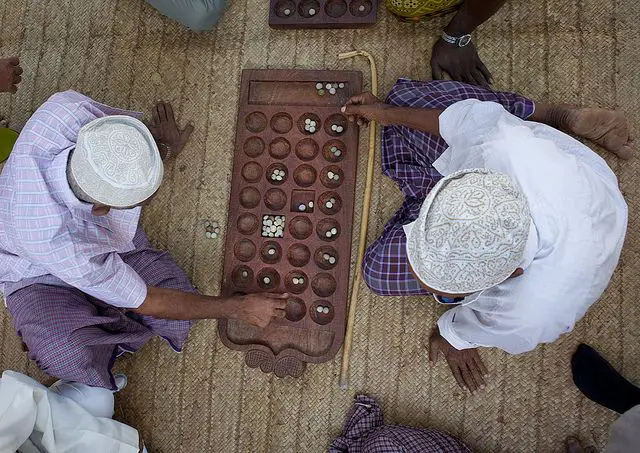
Bao is a traditional mancala-type board game played with seeds, stones or other counters placed in pits. Players sow the counters around the board according to the rules and try to capture or control pieces.
The game requires:
- Counting
- Concentration
- Planning
- Memory
- Strategic thinking
- Patience
Bao is currently included among Kenyan indigenous games taught in Creative Arts and Sports.
Indigenous Board Games in Kenya #2: Shisima
Shisima is a traditional board game associated with the Tiriki community of Western Kenya. It is played on an octagonal board using counters. Players move their pieces according to the rules while attempting to form a winning arrangement.
It develops strategic thinking, concentration and the ability to plan moves ahead.
Indigenous Games in Kenya #3: Kudoda
Kudoda, sometimes described as a jacks-type game, involves throwing and catching while manipulating small objects such as pebbles.
It develops hand-eye coordination, agility and concentration.
Kati
Kati is a traditional ball game involving two groups.
Players inside a designated area attempt to avoid being hit by a soft ball thrown by players outside the area. It requires quick movement, dodging and accurate throwing.
Wrestling
Traditional wrestling has been practised by various Kenyan communities as a form of physical competition and cultural expression. It develops strength, balance, coordination and physical control. The way wrestling is conducted and the occasions associated with it vary among communities.
Tagging and chasing games
Kenyan children have traditionally played many variations of chasing and tagging games. Modern Kenyan curriculum materials include games such as Chako and Brikicho Banture.
In Chako, one player acts as the chaser and attempts to tag the other players within a marked area. Brikicho Banture involves hiding and seeking, with one player searching for the others.
Jumping and skipping games (Including Indigenous Rope Games in Kenya)
Jumping and skipping games may involve ropes, marked areas or rhythmic movements. Some versions are accompanied by songs, chants or counting. They help develop balance, rhythm, coordination and physical fitness.