Thinking about changing your hair color but aren’t quite ready to commit to permanent dye?
Demi-permanent color site:chickabouttown.com might be the middle ground you’re looking for.
It can refresh faded color, add richness and shine, tone unwanted warmth, and even help blend gray hair without creating the same level of commitment as permanent color.
But what exactly is demi-permanent color, how long does it last, and how does it differ from semi-permanent and permanent hair dye? If you’re considering trying it, here’s what you need to know before you make the switch.
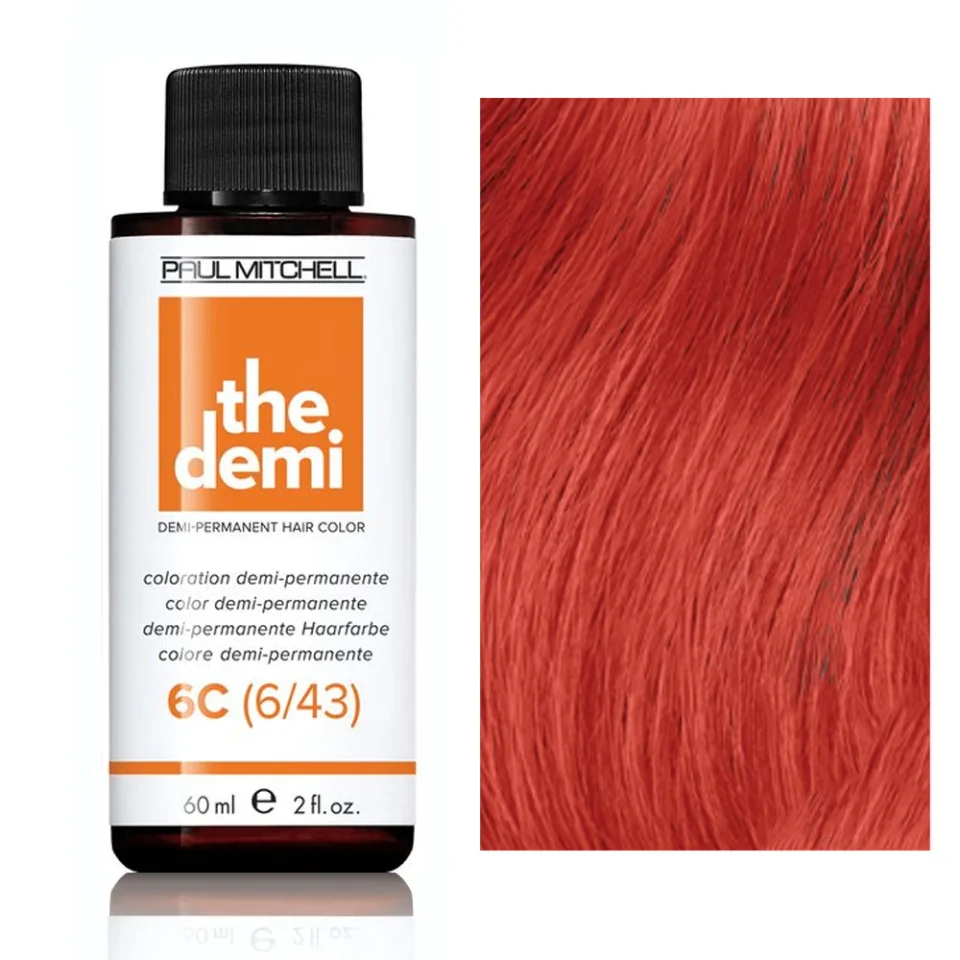
Table of Contents
What Is Demi-Permanent Color Site:ChickAboutTown.com?
Demi-permanent color is a type of hair dye designed to give you longer-lasting color without the permanence of traditional permanent dye.
The formula uses a small amount of developer to allow color molecules to penetrate into the outer layers of the hair shaft. Because it doesn’t open the cuticle as aggressively as permanent color, it generally has a gentler effect on the hair.
One important point, however, is that demi-permanent doesn’t mean completely damage-free.
Different formulas work differently, and some professional demi-permanent products may contain low levels of ammonia. It’s therefore worth checking the specific product rather than assuming every demi-permanent formula is identical.
How Long Does Demi-Permanent Color Last?
Demi-permanent color gradually fades as you wash your hair rather than growing out as a permanent block of color.
Depending on the product, hair condition and how frequently you shampoo, you can generally expect the color to last several weeks or around 20 to 28 washes. Some formulations may last longer or shorter.
Your hair’s porosity can also affect the result. More porous hair may absorb color differently from healthy, relatively unprocessed hair, so two people using the same shade may not get exactly the same result.
Can Demi-Permanent Color Cover Gray Hair?
This is one of the most interesting uses for demi-permanent color.
If you have a small or moderate amount of gray, demi-permanent color can blend the gray rather than completely cover it. The result can be softer and more dimensional than applying a solid permanent color over every gray strand.
This can be particularly useful if you don’t want the obvious demarcation line that can appear as permanent color grows out.
However, demi-permanent color isn’t necessarily the best choice if your goal is 100% gray coverage.
Some specially formulated demi-permanent products can provide substantial gray blending, with certain professional formulas advertising coverage of up to 60–70%, but complete coverage of resistant gray generally calls for permanent color.
For someone with dark brown or black hair and scattered gray strands, this distinction can make demi-permanent color especially interesting. Rather than making every gray strand disappear, it can soften the contrast between the gray and the darker hair.
Demi-Permanent vs. Semi-Permanent Color
The names are confusing because the two aren’t actually the same thing.
Semi-permanent color generally sits more on the surface of the hair and is intended for shorter-term color changes.
Demi-permanent color uses a low-level developer and allows some pigment to penetrate the outer layers of the hair, so it generally lasts longer.
A simple way to think about them is:
| Semi-permanent | Demi-permanent | Permanent | |
|---|---|---|---|
| Longevity | Shorter | Medium | Long-lasting |
| Developer | Usually none | Low-volume | Stronger developer |
| Lightens natural hair | No | Generally no | Yes |
| Gray blending | Limited | Good | Excellent |
| Gray coverage | Low | Partial to substantial, depending on formula | Highest |
Highlights Site:ChickAboutTown.com
If you would like to know what I have to share about highlights on this site, click here.
How to Naturally Soften the Gray in Dark Brown Hair
If you have dark brown hair, gray strands can be surprisingly noticeable because of the contrast between the deep brunette base and the lighter silver or white hairs. But if you don’t want to cover your gray completely, there are ways to soften the appearance of gray in dark brown hair while keeping your hair looking natural.
One important distinction is that “natural” can mean two different things.
You can either naturally soften the visual contrast without dyeing your hair, or you can use plant-based color such as henna and indigo. The latter is still a form of hair coloring and can be quite long-lasting.
Let the Gray Blend Into Your Dark Brown Hair
The simplest approach is actually to stop trying to make every gray strand disappear.
Gray blending works by reducing the contrast between your dark brown hair and your silver strands.
Highlights, lowlights and carefully chosen toning can make the gray look more like part of the overall color rather than obvious regrowth.
This is particularly effective when the gray is concentrated around the temples, hairline or part.
For dark brown hair, cooler shades such as mushroom brown, ash brown, taupe and cool beige can work particularly well when they complement your natural undertone.
The goal isn’t necessarily to turn your hair lighter. It’s to introduce enough tonal variation that the gray doesn’t look like a sharp white stripe against a solid brown background.
Consider Highlights
Fine highlights can be one of the most effective ways to soften the contrast between dark brown and gray hair.
Rather than putting chunky blonde streaks throughout your hair, subtle ribbons of a lighter brown or cool beige can create a gradual transition between the dark brown and silver. This can be especially useful if you’re beginning to develop more gray and want to move toward a more naturally blended look.
Highlights can also be useful if your eventual goal is to embrace your gray. Instead of constantly covering new growth, you gradually make the overall color more compatible with your emerging silver.
Try Henna and Indigo
If by “naturally” you mean using plant-based hair color, henna and indigo are two of the better-known options.
Henna naturally deposits a reddish-orange pigment onto the hair. On its own, it can make gray strands appear coppery, auburn or warm reddish-brown.
Indigo can be used alongside henna to create deeper brown shades and, with appropriate formulations, very dark colors.
This can be an interesting option for someone with dark brown hair who doesn’t mind adding some warmth.
However, I would not think of henna and indigo as a temporary experiment. Plant dyes can be persistent, and the final result depends on your starting color, the condition and porosity of your hair and the particular henna or indigo product you use.
If you’re considering eventually using conventional hair color or lightening your hair, this is particularly important to keep in mind.
And avoid products marketed simply as “black henna.”
Some products sold under that name can contain substances such as PPD that are associated with allergic reactions.
What About Coffee?
You’ll find plenty of recipes online recommending coffee, tea or other kitchen ingredients for darkening gray hair.
Coffee may temporarily stain or deepen the appearance of hair, but I wouldn’t rely on a coffee rinse as a dependable way of turning gray hair brown. The effect is much less predictable and much less durable than an actual hair-coloring product.
So if you’re looking for something that genuinely makes gray less noticeable, I’d put subtle color blending, highlights or a suitable plant dye ahead of coffee-based DIY recipes.
A Demi-Permanent Color Can Be the Middle Ground
If you’re willing to use conventional hair color, a demi-permanent color is probably one of the most useful options for softening gray in dark brown hair.
Demi-permanent color can tint gray strands without necessarily making them look exactly the same as your darker hair.
That is what makes it useful for gray blending rather than gray coverage.
Some formulas can provide substantial gray coverage, but the general effect is softer and the color gradually fades rather than leaving the same strong demarcation associated with permanent color.
For example, instead of trying to turn every silver strand dark brown, a colorist might choose a brunette shade that tones the gray so that it appears more muted and integrated with the rest of your hair.
This is particularly attractive if your goal is:
- Less noticeable gray
- A softer grow-out
- No obvious line between colored hair and gray roots
- More dimension in dark brown hair
- The ability to see some silver rather than eliminate it completely
What If You Don’t Want to Color Your Hair at All?
You can also soften the appearance of gray without putting anything on the hair.
A different hairstyle or part can make a surprising difference.
If most of your gray is concentrated along your part or hairline, changing where your hair falls can distribute the lighter strands differently.
Adding texture can also reduce the visual contrast.
Waves, curls, twists and other styles scatter the light differently than very straight, sleek hair, making individual gray strands less visually dominant.
And keeping your dark brown hair shiny and well-conditioned can make the overall color look richer, which can help the gray look more intentionally blended rather than dull or stark.
What I Would Choose for Dark Brown Hair
If your objective is “I don’t want to hide my gray completely, I just want it to be softer,” I’d think about the options this way:
For no color at all: Change your part, add texture and focus on shine.
For a plant-based approach: Consider henna and indigo, but only if you’re comfortable with a relatively committed color change.
For the most natural-looking professional result: Ask about gray blending with subtle highlights and/or lowlights.
For a low-commitment color option: Consider a demi-permanent brunette shade designed for gray blending. Demi-permanent color is specifically used to soften silver strands while allowing some of the gray to remain visible.
The key is that softening gray isn’t the same thing as covering gray.
If you allow some of the silver to remain visible and simply reduce the contrast between the silver and your dark brown hair, you can end up with a much more dimensional and natural-looking result.
Gray-Blending Site:ChickAboutTown.com
If you would like to know more about suggestions I have for gray blending on this site, click here.
READ ALSO: Trendy Silver Highlights in Gray Hair 2026
Photo credits: ComeBackDude
This article explains a simple and natural way to blend gray hair with dark hair using techniques like highlights and lowlights. It focuses on reducing harsh contrast so gray hair looks softer and more seamless as it grows out. Overall, it’s a low-maintenance approach that helps maintain a stylish look without constant root touch-ups.
Hi Frontal,
Welcome to Chick About Town! Thank you for your comment summarizing my post. I hope that means that you found it useful!
Biche