Finding the best flat iron for natural hair can make all the difference between achieving a smooth, glossy finish and dealing with unnecessary heat damage.
With so many options on the market, it’s easy to feel overwhelmed by the choice of plate materials, heat settings, and styling technologies.
The truth is, the right flat iron isn’t simply the one that gets the hottest.
It’s the one that delivers even heat, glides effortlessly through your strands, and straightens your hair efficiently with minimal passes.
In this guide, I’ll explore the top flat irons for natural hair, what features matter most, and how to choose the perfect tool for your unique hair texture and styling goals.
Table of Contents
Best Flat Iron for Natural Hair #1: BaBylissPRO Nano Titanium Ultra-Sleek Straightener
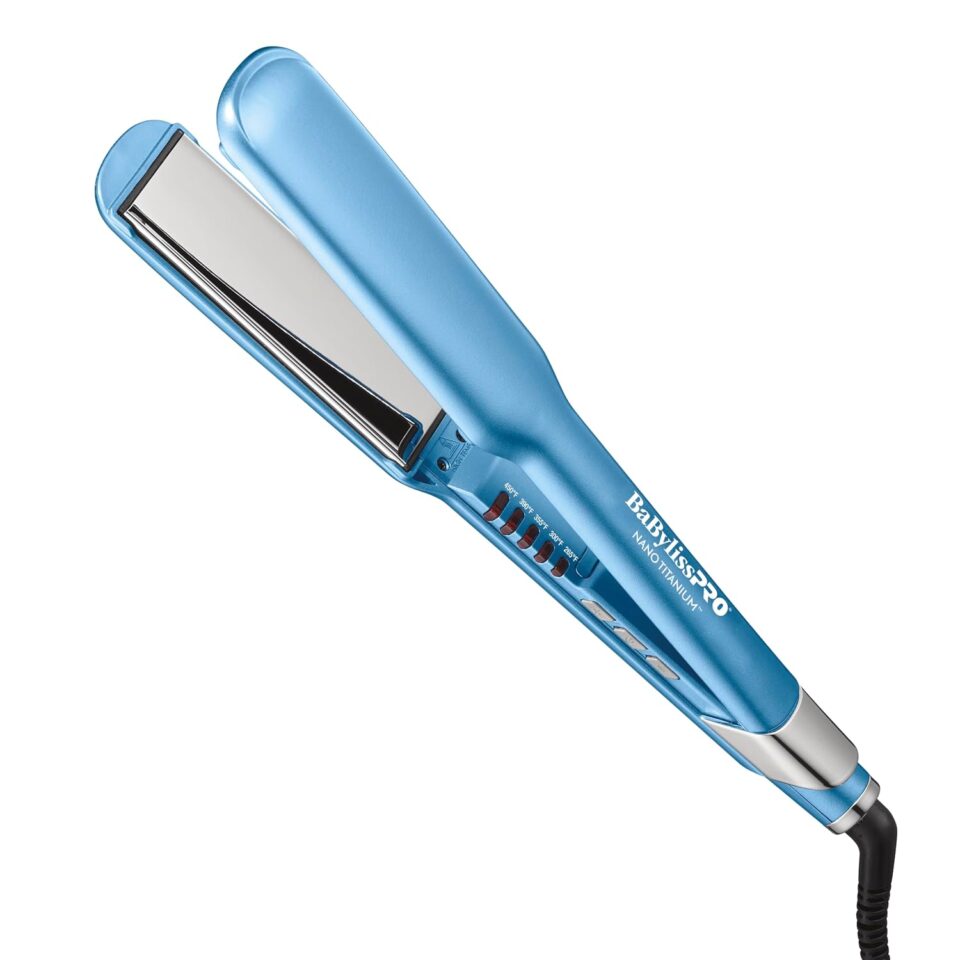
This is one of the most popular choices for thick, curly, and coily natural hair.
The titanium plates heat quickly, maintain a consistent temperature, and can often straighten textured hair in fewer passes.
It is particularly well suited for silk presses and coarse hair, although it should be used carefully because titanium can get very hot.
The Best Flat Irons for Natural Hair #2: GHD Platinum+ Styler
A favorite for minimizing heat damage, the GHD Platinum+ uses predictive technology to maintain a consistent styling temperature rather than simply getting as hot as possible.
It works well for people who straighten their natural hair regularly and want smooth results without excessive heat.
Good Flat Irons for Natural Hair #3: T3 SinglePass StyleMax
This ceramic flat iron is excellent if you want customizable heat settings.
It distributes heat evenly, making it a great choice for medium-textured natural hair, color-treated hair, or anyone concerned about reducing heat damage.
CHI Original Ceramic Hairstyling Iron
A classic ceramic flat iron that has remained popular for years.
It is affordable, versatile, and gentle enough for fine or damaged natural hair.
You may need slightly more passes on very coarse textures, but the even heat helps reduce hot spots.
Dyson Corrale Straightener
The flexible plates help gather hair evenly, allowing effective styling at lower temperatures.
It is an excellent premium option for those who prioritize hair health and versatility, though it comes with a much higher price tag.
Ceramic vs. Titanium
Choosing the right plate material depends on your hair.
- Ceramic is best for fine, damaged, color-treated, or medium-textured natural hair. It heats evenly and is generally more forgiving.
- Titanium is ideal for thick, coarse, dense, or tightly coiled hair because it reaches and maintains higher temperatures more efficiently.
What to Look For
The best flat iron for natural hair should have:
- Adjustable temperature controls rather than a single heat setting.
- Floating plates that maintain even contact with the hair.
- Smooth plates that do not snag or pull strands.
- Plates about 1 inch wide for versatility. Wider plates can speed up styling on very long or thick hair.
- Automatic shut-off for safety.
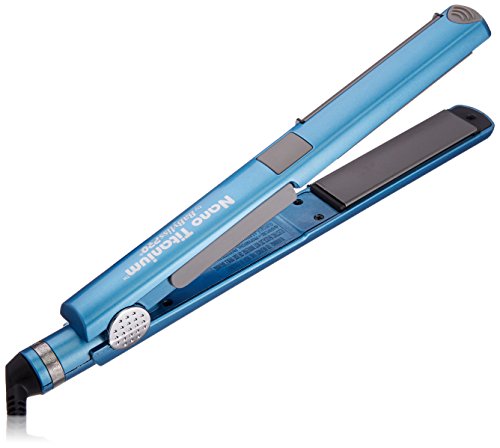
Temperature Guide
Different hair types benefit from different heat levels.
- Fine or fragile natural hair: 250–320°F (120–160°C)
- Medium-textured natural hair: 320–375°F (160–190°C)
- Thick, coarse, or tightly coiled hair: 375–410°F (190–210°C)
Very few people need to exceed 410°F, and repeatedly using temperatures above this can increase the risk of dryness, split ends, and heat damage.
Tips for the Best Results
Before flat ironing:
- Wash and condition the hair thoroughly.
- Make sure the hair is completely dry.
Healthy Flat Iron
A healthy flat iron routine is all about achieving smooth, sleek hair while minimizing heat damage.
No flat iron can make hair healthier, but the right tool, proper technique, and good hair care habits can help you maintain your hair’s strength, shine, and elasticity even if you straighten it regularly.
What Makes a Flat Iron Healthier for Your Hair?
Some flat irons are designed to distribute heat more evenly, reducing the likelihood of hot spots that can scorch strands.
Features to look for include:
- Adjustable temperature settings so you can choose the lowest effective heat for your hair type.
- Ceramic plates, which heat evenly and are often preferred for fine, damaged, or color-treated hair.
- Titanium plates, which heat quickly and maintain high temperatures, making them suitable for thick, coarse, or very curly hair when used carefully.
- Floating plates, which adjust to the hair as you straighten, reducing snagging and unnecessary pulling.
- Digital temperature controls, which help you avoid overheating.
Choosing the right temperature
Using more heat than necessary is one of the fastest ways to damage hair. As a general guide:
- Fine, fragile, or chemically treated hair: 120–160°C (250–320°F)
- Normal or medium-textured hair: 160–190°C (320–375°F)
- Thick, coarse, or tightly curled hair: 190–230°C (375–450°F)
Start with the lowest temperature that gives satisfactory results.
If your hair isn’t straightening well, increase the heat gradually rather than jumping to the highest setting.
Prepare Your Hair Properly
Healthy straightening starts long before you plug in the flat iron.
- Wash and condition your hair with moisturizing products.
- Apply a heat protectant evenly from mid-lengths to ends, or throughout the hair if directed by the product.
- Ensure your hair is completely dry before using a traditional flat iron, as straightening damp hair can cause significant damage.
- Detangle thoroughly with a wide-tooth comb or brush.
Best Flat Ironing Techniques
Your technique matters just as much as the tool itself.
- Divide your hair into small, manageable sections.
- Work slowly and steadily instead of making several quick passes.
- Aim for one or two passes per section whenever possible.
- Avoid repeatedly going over the same strand.
- Keep the flat iron moving rather than holding it in one spot.
How Often Should You Flat Iron?
Even with excellent technique, daily heat styling can gradually weaken hair.
Many hair professionals recommend limiting flat ironing to special occasions or no more than once or twice a week if possible.
On non-styling days, embrace your natural texture or use heat-free styling methods to give your hair time to recover.
Caring for your hair after straightening
Maintaining healthy hair doesn’t stop once you’ve finished styling.
- Use nourishing conditioners and occasional deep-conditioning treatments.
- Trim split ends regularly.
- Sleep on a satin or silk pillowcase or wrap your hair in a silk scarf to reduce friction.
- Avoid combining frequent flat ironing with harsh chemical services unless your hair is in excellent condition.
Signs you’re using too much heat
Watch for warning signs that your routine may need adjusting:
- Dry or brittle hair
- Increased breakage
- Split ends
- Loss of shine
- Hair that feels rough or stiff
- Natural curls or waves that no longer return after washing
If you notice these changes, reduce your heat styling frequency, lower your temperature setting, and focus on restoring moisture and protein balance.
Common Myths About “Healthy” Flat Irons
Many styling tools are marketed as promoting healthier hair through technologies such as ionic, infrared, or steam features.
While these may help reduce frizz, improve shine, or make styling more efficient, they cannot repair damaged hair or eliminate the effects of excessive heat. Healthy-looking results still depend primarily on using appropriate temperatures, protecting your hair before styling, and avoiding overuse.
Photo credits: Amazon