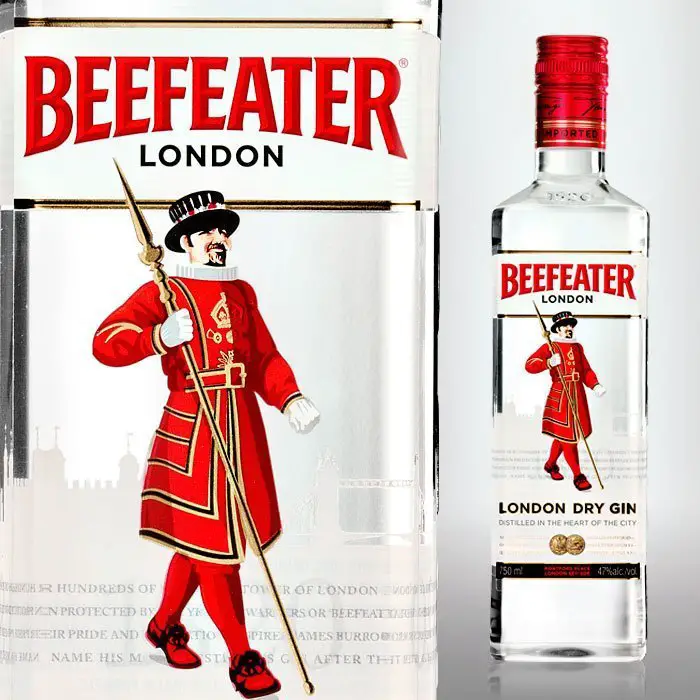
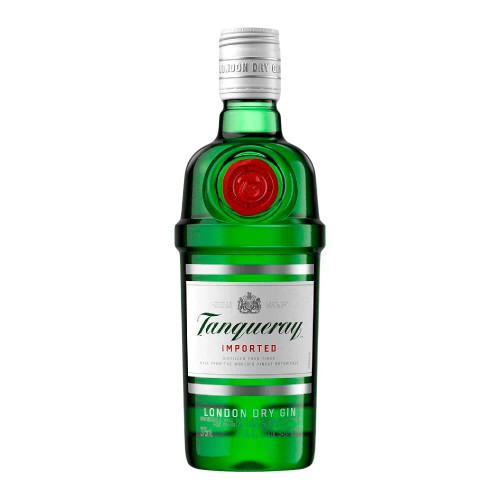
When discussions turn to Beefeater vs Tanqueray, they are really about how two of the most recognisable London Dry gins take different paths within the same tradition.
Beefeater Gin and Tanqueray Gin share deep roots in British distilling history, yet their recipes, botanical focus, and overall character set them apart in clear and interesting ways.
READ ALSO: Gordon’s Gin vs Tanqueray & More
Table of Contents
READ ALSO: The Popular Inurl:/Sitesummary/WWW Search 2026 & More
Beefeater Gin vs Tanqueray Shared Style: London Dry Gin
Both Beefeater and Tanqueray fall under the London Dry classification.
This does not mean the gin must be made in London, but rather that it follows specific production rules.
All flavour must come from natural botanicals distilled together with the base spirit, with juniper as the dominant note.
No artificial flavouring or sweetening is added after distillation.
Because of this, both gins are known for a clean, dry profile and a clear expression of their botanical blends.
READ ALSO: Bombay vs Beefeater/Beefeater vs Bombay Sapphire
Beefeater: Botanical Complexity and Citrus Balance
Beefeater is known for using a broader range of botanicals.
Its classic recipe includes nine botanicals, among them juniper, coriander seed, angelica root, almond, orris root, and distinct citrus elements such as lemon peel and Seville orange peel.
A key part of Beefeater’s production process is the steeping of botanicals in the base spirit before distillation.
This longer contact time allows a wider extraction of flavours, which is why Beefeater is often described as balanced, with noticeable citrus alongside juniper rather than juniper standing alone.
Historically, Beefeater has been closely associated with London, and it is one of the few major gin brands that still highlights that identity in its branding and production narrative.
READ ALSO: Bombay Sapphire vs Bombay Sapphire East
Tanqueray: Focused and Juniper-Forward
Tanqueray takes a more minimalist approach to botanicals. Its core recipe relies on a smaller selection, typically highlighting juniper, coriander, angelica root, and liquorice.
With fewer botanicals in play, the result is a sharper, more direct flavour profile.
Tanqueray is often described as dry and juniper-forward, with herbal and spice notes taking precedence over citrus.
This clarity is intentional and reflects the brand’s emphasis on structure and definition rather than complexity.
The distillation process is designed to preserve this clean character, producing a spirit that is crisp and consistent across markets.
READ ALSO: Gordon’s vs Beefeater Gin & More
Beefeater vs Tanqueray: Key Differences at a Glance
- Botanical range: Beefeater uses a wider variety, while Tanqueray keeps things more streamlined.
- Citrus presence: More pronounced in Beefeater, more restrained in Tanqueray.
- Overall profile: Beefeater leans toward balance and breadth, Tanqueray toward intensity and focus.
Why Tanqueray vs Beefeater Gin Matters
Comparing Beefeater and Tanqueray is useful when discussing how production choices shape flavour, even within the same gin category.
Both meet the same technical standards, yet their different botanical strategies lead to noticeably different results.
Beefeater Gin vs Bombay Sapphire
If you would like to know how these two gins compare, click here.
Gin Comparable to Tanqueray
When enthusiasts talk about gin comparable to Tanqueray, they’re usually looking for other London Dry gins or dry‑styled gins with similar character — clear spirits where juniper remains central and botanicals shape the profile in ways that make them versatile and recognisable.
READ ALSO: Tanqueray vs Bombay Sapphire: The Truth on These 2 Popular Gins
Photo Credits: Pick n Pay, Mansionz, Thrillist, Booz, Caskers